



News:
Brokerage
Posted: January 18, 2008
Hennessy, Cahaly and Reiver of Staubach broker 500,000 s/f renewal
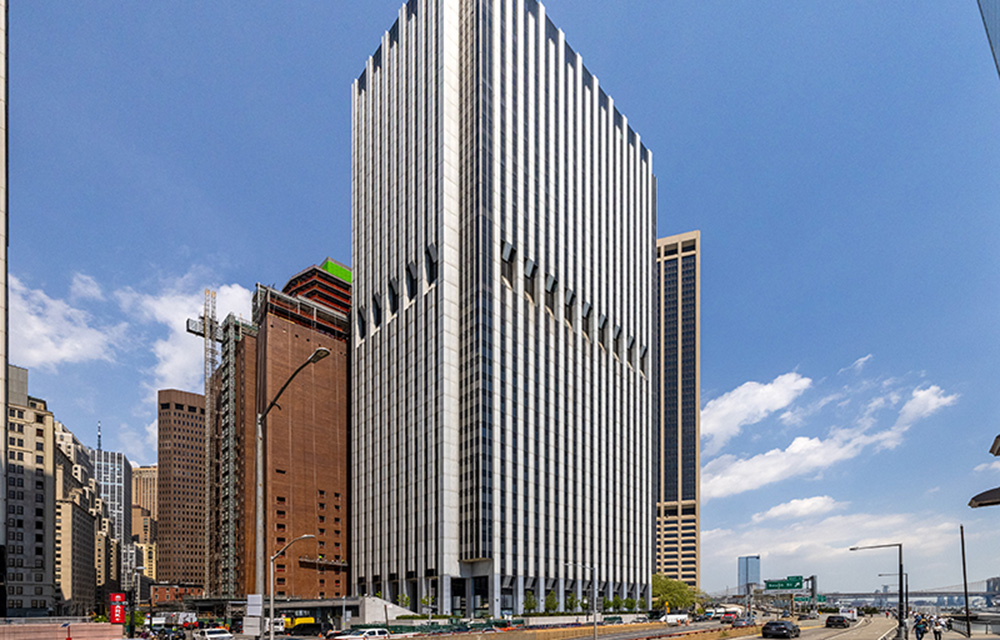
The New York office of the Staubach Co. has completed a lease renewal in Lower Manhattan for 500,000 s/f.
This closing, which involves the Department of Insurance, Division of Housing and Community Renewal, the Department of Lottery and the Office of Court Administration, reinforces the commitment by the State of New York to maintain a significant presence downtown.
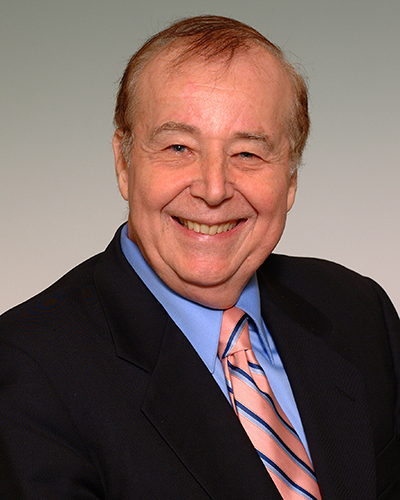
Peter Hennessy, president of Staubach New York, in conjunction with Scott Cahaly and Brian Reiver represented the agencies in the building, which is owned by Piedmont Realty Trust out of Atlanta, Georgia.
"We were able to work with agency administration and the landlord to develop an effective economic structure for these important tenants to maintain a presence in Lower Manhattan," said. Hennessy. "Being close to other government centers as well as access to transportation was important to these departments, who collectively have 1,800 employees working at the 25 Beaver St. location."
Tags:
Brokerage
MORE FROM Brokerage
Meridian Capital Group arranges 10-year retail lease for Mess at 236 West 10th St.
Manhattan, NY According to Meridian Capital Group, Jordan Langer, Noam Aziz and Carson Shahrabani of the firm’s retail leasing team have arranged a five-year lease at 236 West 10th St. in Greenwich Village


.jpg)

Quick Hits
.gif)
Columns and Thought Leadership
AI comes to public relations, but be cautious, experts say - by Harry Zlokower
Last month Bisnow scheduled the New York AI & Technology cocktail event on commercial real estate, moderated by Tal Kerret, president, Silverstein Properties, and including tech officers from Rudin Management, Silverstein Properties, structural engineering company Thornton Tomasetti and the founder of Overlay Capital Build,

Behind the post: Why reels, stories, and shorts work for CRE (and how to use them) - by Kimberly Zar Bloorian
Let’s be real: if you’re still only posting photos of properties, you’re missing out. Reels, Stories, and Shorts are where attention lives, and in commercial real estate, attention is currency.

Strategic pause - by Shallini Mehra and Chirag Doshi
Many investors are in a period of strategic pause as New York City’s mayoral race approaches. A major inflection point came with the Democratic primary victory of Zohran Mamdani, a staunch tenant advocate, with a progressive housing platform which supports rent freezes for rent

Lasting effects of eminent domain on commercial development - by Sebastian Jablonski
The state has the authority to seize all or part of privately owned commercial real estate for public use by the power of eminent domain. Although the state is constitutionally required to provide just compensation to the property owner, it frequently fails to account
.gif)