



News:
Brokerage
Posted: July 16, 2019
Tourism industry growth in NYC: Will continue to transform and cater to increased global demand - by Michael Zysman
City Bay Capital
According to the Brookings Institute, over the next 10 years the middle-class population around the world is going to increase from 3.8 billion to 5.6 billion. That is roughly 160 million additional people a year entering the middle class around the world. Many of these newly minted members of the world’s middle class will travel to the world’s cultural meccas, which includes NYC. As a result, NYC will continue to transform and cater to the increased global demand for its cultural attractions, and developers who understand this trend will continue to build profitable projects.
The hotel market in NYC has grown substantially over the past decade. Total hotel room supply in NYC increased from 73,692 rooms in 2007 to 115,532 rooms in 2017, or an increase of 56.1%. Even with the large increase in supply, NYC’s 2018 ADR was one of the highest on record at $292 with an 88.3% average occupancy rate according to NYC & Company, NYC’s official tourism arm. Much of the new demand for NYC hotels has been coming from international tourism which increased from 4.8 million visitors in 2003 to 13.6 million visitors in 2018, or an increase of 183%. The NYS Comptroller’s Office recently put out a report stating the leisure and hospitality industry added the second-highest number of jobs out of any sector in the NYS economy and grew the fastest (50 percent) from 2009 – 2018.
To further accommodate global travel demand for NYC, the State of New York has proposed a $13 billion overhaul of JFK Airport, and LaGuardia Airport is currently undergoing an $8 billion renovation. Once these projects are complete, more flights to NYC will be available which will lower the cost of air travel and further increase NYC’s tourism demand. In addition, improvements in rideshare technology and the onset of driverless cars will make transportation around NYC more cost effective and convenient for tourists.
The boom in NYC’s tourism industry has helped other commercial real estate sectors, as well. According to Visa, NYC’s large department stores receive 48% of their revenue from tourists and NYC retail on average receive 25% of its sales from tourists. Increases in retail sales from tourism will continue to put upward pressure on retail rents. As older office buildings continue to be converted to hotels, the decrease in office supply will continue to put upward pressure on office rents. Also, the NYC multifamily business has benefited from apartment units being rented as short-term stays, which puts upward pricing pressure on multifamily rents. Owners of retail real estate who have turned their properties into tourist destinations have achieved outsized returns as well. Also, the condo market has benefited from a large influx of second home buyers. In addition, the international college student population in NYC has increased dramatically, which has benefited real estate around institutions of higher education. Not to mention, the continued job creation in the hospitality industry increases demand for apartment and retail demand as well.
The hotel boom is here to stay due to the increased global economic expansion, New York State’s investment in transportation infrastructure, and the cultural significance of NYC. As a result, it will continue to increase the city’s employment, tax base, retail sales, and be a net positive to other sectors of the commercial real estate investment industry. Property owners and developers need to cater their buildings to accommodate the growing tourism industry, which is evolving from a major industry in NYC to potentially the dominant industry.
Michael Zysman is a managing principal at City Bay Capital LLC, New York, N.Y.
Tags:
Brokerage
MORE FROM Brokerage
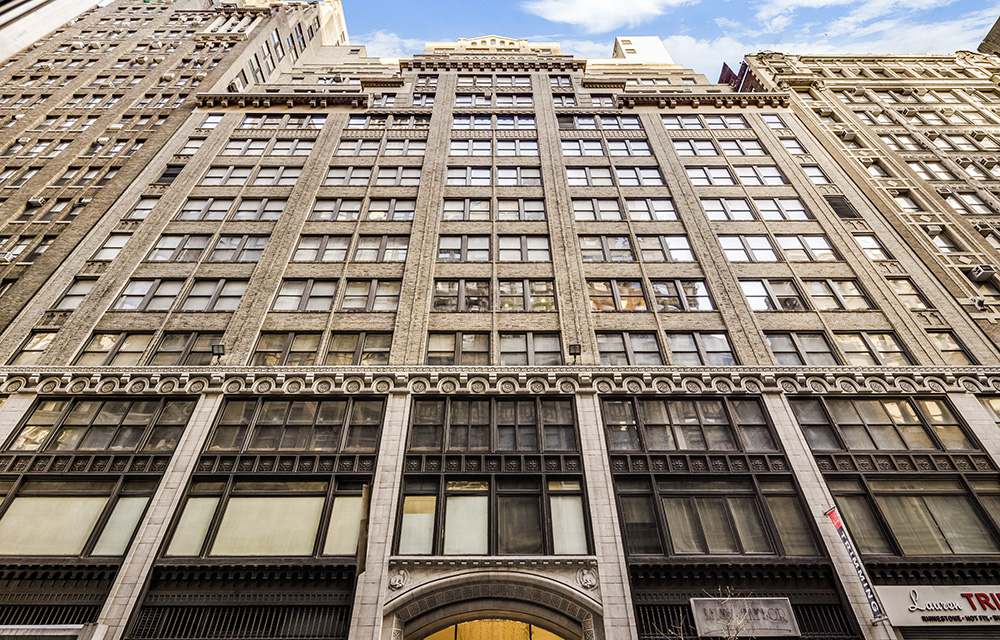
Meridian Capital Group arranges 10-year retail lease for Mess at 236 West 10th St.
Manhattan, NY According to Meridian Capital Group, Jordan Langer, Noam Aziz and Carson Shahrabani of the firm’s retail leasing team have arranged a five-year lease at 236 West 10th St. in Greenwich Village


.jpg)


Columns and Thought Leadership

Lasting effects of eminent domain on commercial development - by Sebastian Jablonski
The state has the authority to seize all or part of privately owned commercial real estate for public use by the power of eminent domain. Although the state is constitutionally required to provide just compensation to the property owner, it frequently fails to account
AI comes to public relations, but be cautious, experts say - by Harry Zlokower
Last month Bisnow scheduled the New York AI & Technology cocktail event on commercial real estate, moderated by Tal Kerret, president, Silverstein Properties, and including tech officers from Rudin Management, Silverstein Properties, structural engineering company Thornton Tomasetti and the founder of Overlay Capital Build,

Behind the post: Why reels, stories, and shorts work for CRE (and how to use them) - by Kimberly Zar Bloorian
Let’s be real: if you’re still only posting photos of properties, you’re missing out. Reels, Stories, and Shorts are where attention lives, and in commercial real estate, attention is currency.

Strategic pause - by Shallini Mehra and Chirag Doshi
Many investors are in a period of strategic pause as New York City’s mayoral race approaches. A major inflection point came with the Democratic primary victory of Zohran Mamdani, a staunch tenant advocate, with a progressive housing platform which supports rent freezes for rent
.gif)