



News:
Brokerage
Posted: October 29, 2024
The ideal candidate for office-to-residential conversion - by Robert Khodadadian

The rise of remote and hybrid work policies, accelerated by the COVID-19 pandemic, has led to a significant increase in office vacancies across the country. This, combined with the ongoing national housing crisis, has prompted many landlords to consider converting office buildings into residential units. As an active commercial real estate broker in Manhattan, I’ve witnessed firsthand how this trend is transforming urban landscapes. But not every building is a good candidate for such conversions. So, what makes a building ideal for this type of transformation?
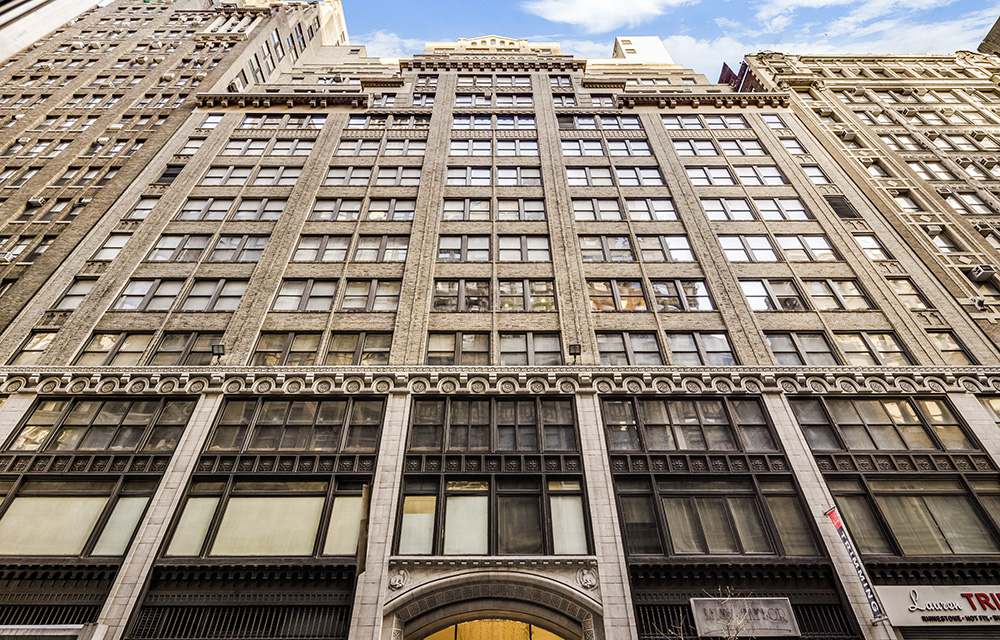
Architecturally, pre-war office buildings are among the best candidates for residential conversions. These structures typically feature narrow footprints, operable windows, and high ceilings—key characteristics that make them easily adaptable for apartment living. Designed before the widespread use of mechanical ventilation and artificial lighting, these buildings were optimized for natural light and airflow. Many include inner or outer courtyards, which further enhance access to light, an important factor in residential spaces.
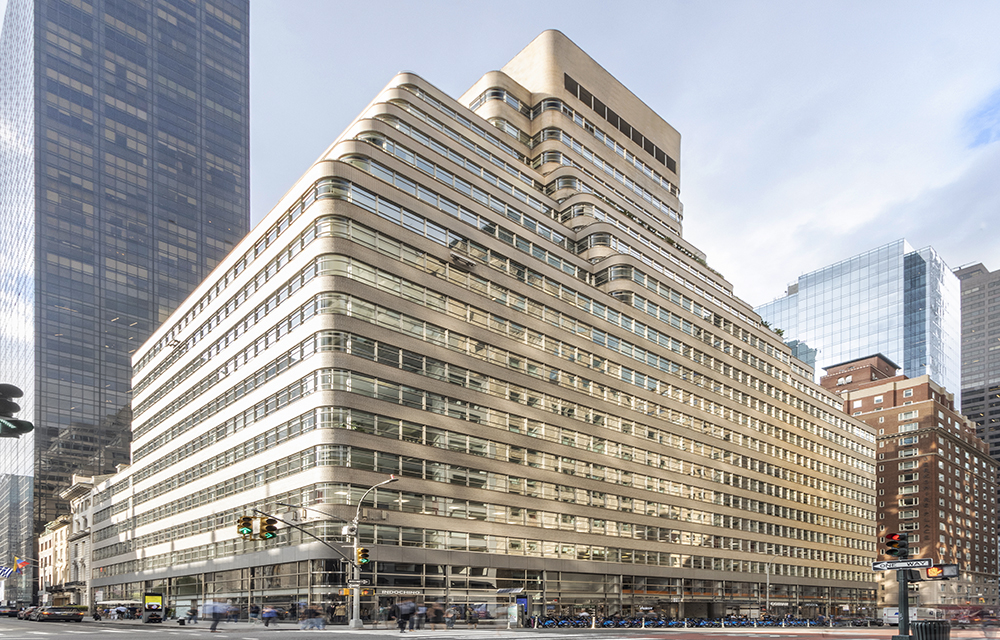
In contrast, post-1970 office buildings present greater challenges for conversion. These newer structures tend to have larger floor plates with a core-to-window depth of more than 30 ft., making them ideal for modern office layouts that accommodate open workspaces and conference rooms. However, such deep spaces don’t comply with New York City’s building code for residential units, which requires that habitable rooms be no more than 30 ft. from a window. Despite these challenges, conversions are not impossible.
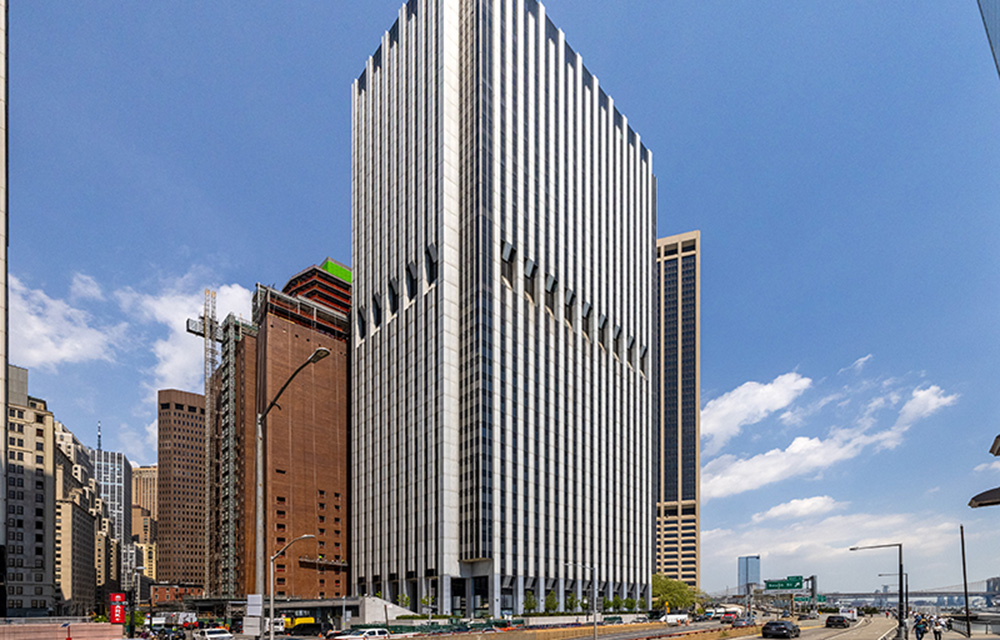
A perfect example of overcoming these challenges is the conversion of 180 Water St. in lower Manhattan. Originally built in 1971 as an office building, it was transformed into residential apartments in 2017. The building’s large open floors, with windowless cores extending up to 72 ft., seemed unsuitable for residential use at first. However, the architect devised a creative solution: carving out a 1,200 s/f courtyard in the building’s center. This allowed for apartments along both the exterior walls and the new inner courtyard, optimizing natural light while staying compliant with residential codes. To offset the loss of floor space, the developer added four new floors and amenities on the rooftop, maintaining the floor area ratio (FAR) without expanding the building’s footprint.
While the 180 Water St. conversion was a success, it’s not easily replicable. Zoning restrictions in many districts make such projects difficult, and financial costs can be steep. To make office-to-residential conversions more viable, changes to zoning regulations and the Multiple Dwelling Law (MDL) are necessary. Eliminating the FAR cap and allowing newer buildings to qualify for conversion would open up more opportunities. Additionally, financial incentives like tax abatements and subsidies are essential to make these projects financially feasible for developers.
Without such reforms, the potential to address both office vacancies and the housing crisis through conversions will remain limited. For those of us in the real estate industry, advocating for these changes is crucial to unlocking new possibilities in the market.
Robert Khodadadian is president & CEO of Skyline Properties, Manhattan, NY.
Tags:
Brokerage
MORE FROM Brokerage

Meridian Capital Group arranges 10-year retail lease for Mess at 236 West 10th St.
Manhattan, NY According to Meridian Capital Group, Jordan Langer, Noam Aziz and Carson Shahrabani of the firm’s retail leasing team have arranged a five-year lease at 236 West 10th St. in Greenwich Village


.jpg)

Quick Hits
.gif)
Columns and Thought Leadership

Lasting effects of eminent domain on commercial development - by Sebastian Jablonski
The state has the authority to seize all or part of privately owned commercial real estate for public use by the power of eminent domain. Although the state is constitutionally required to provide just compensation to the property owner, it frequently fails to account

Strategic pause - by Shallini Mehra and Chirag Doshi
Many investors are in a period of strategic pause as New York City’s mayoral race approaches. A major inflection point came with the Democratic primary victory of Zohran Mamdani, a staunch tenant advocate, with a progressive housing platform which supports rent freezes for rent
AI comes to public relations, but be cautious, experts say - by Harry Zlokower
Last month Bisnow scheduled the New York AI & Technology cocktail event on commercial real estate, moderated by Tal Kerret, president, Silverstein Properties, and including tech officers from Rudin Management, Silverstein Properties, structural engineering company Thornton Tomasetti and the founder of Overlay Capital Build,

Behind the post: Why reels, stories, and shorts work for CRE (and how to use them) - by Kimberly Zar Bloorian
Let’s be real: if you’re still only posting photos of properties, you’re missing out. Reels, Stories, and Shorts are where attention lives, and in commercial real estate, attention is currency.
.gif)