



News:
Brokerage
Posted: September 9, 2025
Protecting properties and businesses
from ADA litigation - by Joshua Bauchner
Does this sound familiar? Someone visits your business or property, but they are not there to dine, shop, or lease a unit; rather, they are looking for Americans with Disabilities Act (ADA) violations. Instead of making a purchase or securing a lease, this party is measuring ramp angles, inspecting door widths and counter heights, and documenting anything that might fall outside ADA specifications.
This behavior isn’t limited to physical space — it can happen on your website as well. Rather than shop for products, look for information, or make an inquiry, the site visitor is hoping to find a violation, often by running software that checks for audio and visual compliance for the disabled. If you’ve relied on a third-party vendor to ensure ADA compliance, be aware that standards change and although your entity may be physically located in a jurisdiction where the ADA does not apply to websites, the site visitor is.
These visitors are testers that are hired by a law firm that files dozens (sometimes hundreds) of nearly identical ADA-related lawsuits. If your entity has been “tested,” you may be sued for alleged noncompliance under the Americans with Disabilities Act with settlement demands of $20,000 or more. Even worse, that claim can be filed — regardless of actual harm or denial of access.
The ADA greatly expanded opportunities for disabled individuals, demanding significant adjustments from businesses to accommodate both physical and online accessibility. These necessary changes, while enhancing inclusivity, have posed complex compliance challenges. Title III of the ADA mandates nondiscrimination in public accommodations, ensuring that businesses offer equal access to all services and facilities. Compliance can be intricate, with failures potentially leading to costly and reputation-damaging lawsuits.
The rise in ADA litigation is impossible to ignore. ADA lawsuits surged by 320% since 2013, driven by serial plaintiffs often referred to as ADA compliance “testers” who target small businesses. These cases frequently seek quick settlements, burdening businesses with undue legal costs. Most use the same boilerplate language, brought by repeat plaintiffs and law firms wholly irrelevant to the named defendants (e.g., lawsuits demanding handicapped parking spaces in New York City). Websites also are targeted, especially those relying on automated accessibility tools, by plaintiffs who often live thousands of miles away.
Commercial landlords and small businesses are jointly ?and severally liable. Plaintiff’s attorneys ignore the fact that buildings constructed before 1992, which have not undergone significant modification, are grandfathered in. If tenants are unable to afford the cost of remediation, plaintiff’s attorneys demand production of confidential financial information, often including tax returns, to prove remediation is cost prohibitive.
Protect Your Business from Litigation
Employing a Certified Accessibility Specialist (CASp) to conduct thorough accessibility audits of physical and digital spaces is a key strategy to shield against ADA claims. This proactive measure helps businesses identify and rectify potential non-compliance issues early.
It’s also critical to monitor judicial rulings that could impact ADA litigation and engaging knowledgeable ADA defense counsel, an essential step for evaluating legal challenges and crafting effective defense strategies. Strong legal representation not only protects individual businesses but also deters baseless litigation, benefiting the larger community.
A combination of diligent accessibility reviews, staying informed on legal developments, and strategic legal counsel is crucial for businesses aiming to navigate ADA compliance smoothly and minimize litigation risks. This proactive approach helps foster a more inclusive society while safeguarding businesses from unnecessary legal battles.
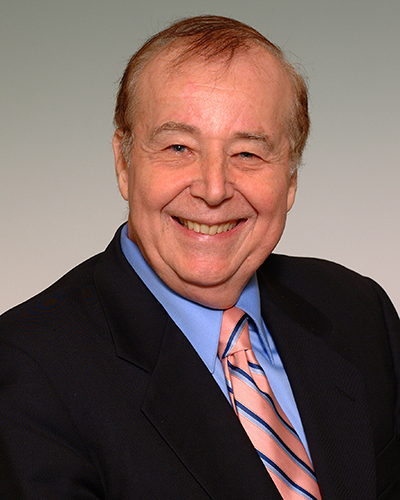
Joshua Bauchner is a partner in the landlord-tenant and litigation practices at Mandelbaum Barrett PC, Manhattan, N.Y.
Tags:
Brokerage
MORE FROM Brokerage

Meridian Capital Group arranges 10-year retail lease for Mess at 236 West 10th St.
Manhattan, NY According to Meridian Capital Group, Jordan Langer, Noam Aziz and Carson Shahrabani of the firm’s retail leasing team have arranged a five-year lease at 236 West 10th St. in Greenwich Village


.jpg)

Quick Hits

Columns and Thought Leadership

Behind the post: Why reels, stories, and shorts work for CRE (and how to use them) - by Kimberly Zar Bloorian
Let’s be real: if you’re still only posting photos of properties, you’re missing out. Reels, Stories, and Shorts are where attention lives, and in commercial real estate, attention is currency.

Strategic pause - by Shallini Mehra and Chirag Doshi
Many investors are in a period of strategic pause as New York City’s mayoral race approaches. A major inflection point came with the Democratic primary victory of Zohran Mamdani, a staunch tenant advocate, with a progressive housing platform which supports rent freezes for rent

Lasting effects of eminent domain on commercial development - by Sebastian Jablonski
The state has the authority to seize all or part of privately owned commercial real estate for public use by the power of eminent domain. Although the state is constitutionally required to provide just compensation to the property owner, it frequently fails to account
AI comes to public relations, but be cautious, experts say - by Harry Zlokower
Last month Bisnow scheduled the New York AI & Technology cocktail event on commercial real estate, moderated by Tal Kerret, president, Silverstein Properties, and including tech officers from Rudin Management, Silverstein Properties, structural engineering company Thornton Tomasetti and the founder of Overlay Capital Build,
.gif)