



News:
Brokerage
Posted: August 6, 2020
Paving New York State’s path to economic recovery - by Ross Pepe
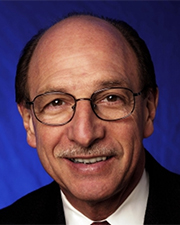
“New York, like states all across the country, confronts the immediate effects of a paralyzing national recession, the longer-term challenge of improving our competitive position in the global economy, and the specter of a dangerous, ugly divisiveness among our people.”
Those words, but with the single substitution of “pandemic” for “recession,” are as true today as they were in 1992 when spoken by then-gov. Mario Cuomo as he called for a national coming together with action to cure our collective woes.
During the COVID-19 crisis, the people of New York State have benefitted from the leadership of his son, gov. Andrew Cuomo, our state legislators and local officials. New Yorkers, through a remarkable collective willingness to “crush the curve” and a heartfelt outpouring of support, are demonstrating what it means to stand and work together. We are grateful to our first responders, health care workers and all the women and men behind the scenes–building and construction trades, public service, education, food and other services–working to maintain a sense of normalcy for all of us.
This is not business as usual and it may never be again, following the protracted “New York on Pause” and historic levels of unemployment. Where do we go from here? Let’s take a page out of the history books and study the past six recessions and the Great Depression. The path to economic recovery was mainly paved by investment: “We need to rebuild the physical foundation upon which all economic activity depends,” said the senior gov. Cuomo. That begins with investment in our infrastructure, which is an exceptionally efficient long-term job creator. For nearly a century of American life and economic growth, it has been proven that each $1 billion invested in infrastructure yields thousands of direct jobs and a multiplier of that in indirect jobs. We need only look to the new $4 billion gov. Mario Cuomo Bridge, which generated more than 6,600 living-wage jobs and tens of thousands of indirect jobs in the region.
As New York State reopens, we must invest in our state’s long-term health. Infrastructure is a bridge to the future, as it creates jobs so people can start and raise families, build stronger communities and boost local economies. A half-dozen major transportation projects are poised to move forward in New York. One of those involves widening Route 17 in the Hudson Valley and transforming the corridor into Interstate 86. Our Coalition–17-Forward-86–is seeking to add a third lane in each direction on Rte. 17 to improve mobility, enhance safety and ensure the economic well-being of the Hudson Valley and Sullivan Catskills. We have more than 200 members of economic development and tourism groups, construction trades and energy companies representing thousands of individuals in the region. Widening Rte. 17 is critical–the corridor is already over-capacity and we must prepare for added traffic as more companies invest here.
In addition, there are projects on Long Island (Oakdale merge) and upstate New York (I-81 viaduct project in Syracuse) that will have the same effect of advancing mobility efficiency and improving our daily lives. This is the time to move forward. Today’s highly competitive construction marketplace offers significant savings for public agencies and departments, which will benefit from low-interest bond rates.
We all have felt the impacts of this pandemic–personally and professionally–and we believe that working together we will persevere. Let’s take those steps now to pave our path to recovery.
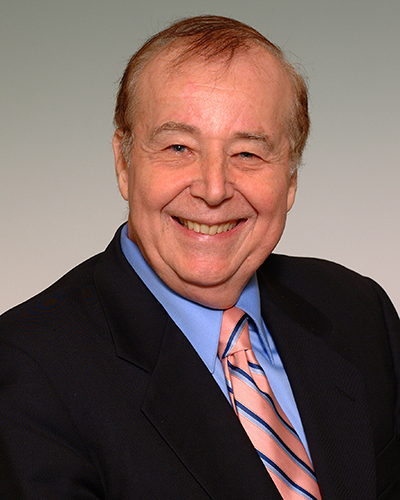
Ross Pepe is founding member of the 17-Forward-86 Coalition and President of the Construction Industry Council of Westchester & Hudson Valley, Inc.
To learn more about the coalition, visit www.17Forward86.org.
Tags:
Brokerage
MORE FROM Brokerage
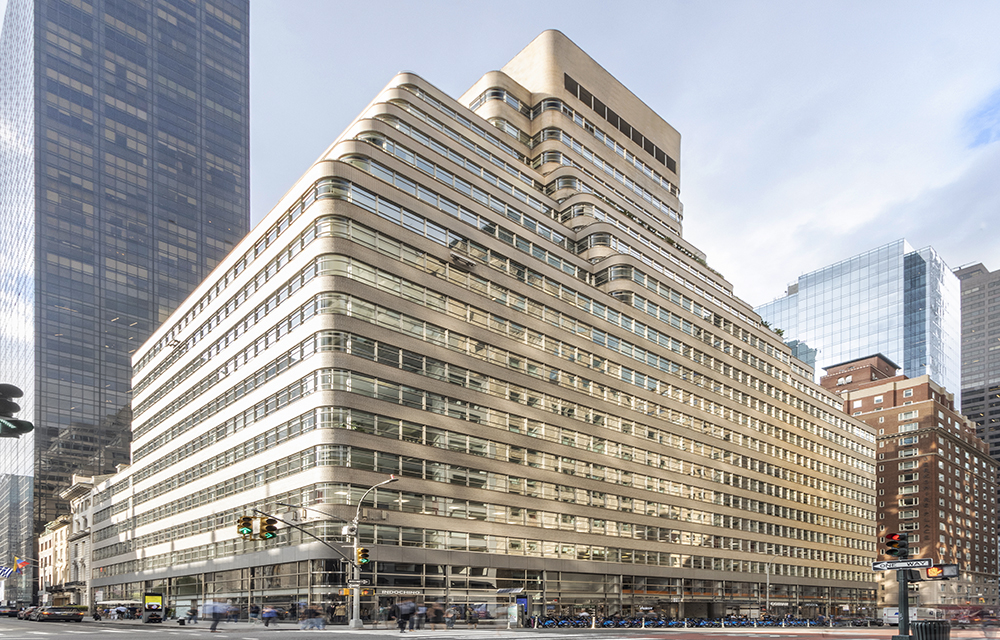
The Feil Organization signs 15-year, 46,000 s/f renewal with Thompson Coburn LLP at 488 Madison Ave.
Manhattan, NY The Feil Organization has signed a 15-year, 46,000 s/f renewal with Thompson Coburn LPP at 488 Madison Ave. The national law firm has occupied the entire 14th and 15th floors since 2002, and as part of the



.jpg)


Columns and Thought Leadership
AI comes to public relations, but be cautious, experts say - by Harry Zlokower
Last month Bisnow scheduled the New York AI & Technology cocktail event on commercial real estate, moderated by Tal Kerret, president, Silverstein Properties, and including tech officers from Rudin Management, Silverstein Properties, structural engineering company Thornton Tomasetti and the founder of Overlay Capital Build,

Behind the post: Why reels, stories, and shorts work for CRE (and how to use them) - by Kimberly Zar Bloorian
Let’s be real: if you’re still only posting photos of properties, you’re missing out. Reels, Stories, and Shorts are where attention lives, and in commercial real estate, attention is currency.

Strategic pause - by Shallini Mehra and Chirag Doshi
Many investors are in a period of strategic pause as New York City’s mayoral race approaches. A major inflection point came with the Democratic primary victory of Zohran Mamdani, a staunch tenant advocate, with a progressive housing platform which supports rent freezes for rent

Lasting effects of eminent domain on commercial development - by Sebastian Jablonski
The state has the authority to seize all or part of privately owned commercial real estate for public use by the power of eminent domain. Although the state is constitutionally required to provide just compensation to the property owner, it frequently fails to account
.gif)