



News:
Brokerage
Posted: November 26, 2012
HRC and Pomeroy joint venture sell Capitol Tower in Austin for $49 million
Joint venture partners Hudson Realty Capital LLC (HRC) and Pomeroy Investment Corp. have sold the 172,637 s/f Capitol Tower office building for $49 million. In 2006, HRC and Pomeroy acquired the then-vacant class A office tower, launched a comprehensive $10 million renovation program and rendered it fully occupied by 2008. The building was fully leased at the time of sale.
"The disposition of Capitol Tower, which figures prominently in the city's commercial real estate landscape, is in line with Hudson's long-term business plan as we prepare to wind down our third fund," said Heather Mutterperl, director, asset management. The company launched Hudson Realty Capital Fund III LP as a hybrid debt and equity fund in 2005 to focus on bridge loans, mezzanine financing, preferred equity, sponsor equity and distressed debt purchases. Currently, Hudson is operating its fifth fund and has more than $2 billion in assets under management.
Centrally located in Austin's Central Business District at 206 E. Ninth St., the 20-story Capitol Tower features a 736-space on-site parking garage and boasts panoramic views of the city's Capitol Building and University of Texas. Ideally suited for large users due to its efficient, rectangular floor plates, Capitol Tower's tenant base includes an advertising agency, legal firms, and technology and marketing companies.
"We acquired Capitol Tower at a time when the Austin office market was showing impressive growth, in terms of employment and education, which it continues to demonstrate today," said Spencer Garfield, managing director, originations. "As a niche middle-market lender, Hudson expects to remain active in these markets, statewide and regionally."
Hudson continues to focus on originating and purchasing senior debt, as well as large loan-portfolio acquisitions and asset management activities, in Texas and nationally. Recent transactions include a $6.9 million bridge loan involving a 272-unit apartment complex in greater Houston's Fort Bend County; $6 million first mortgage loan secured by a 96,754-square-foot retail center in Richardson, Texas, an inner suburb of Dallas; and $5.6 million bridge loan involving a 275-unit garden-apartment complex in Houston's Sharpstown/Westwood submarket.
Established in 2003, Hudson has closed more than $3.5 billion in transactions since the formation of its initial two funds. Activities include originating, purchasing, participating in, servicing and restructuring special-situation debt. Hudson also invests directly in real estate and acquires under-performing assets and other real estate-related instruments.
Headquartered in New York City, Hudson maintains regional offices in Portland, Maine and Fort Myers, Florida. The company has been named among the New York area's largest privately held companies and largest minority-owned companies, as well as one of the Top 25 lenders nationally.
Tags:
Brokerage
MORE FROM Brokerage
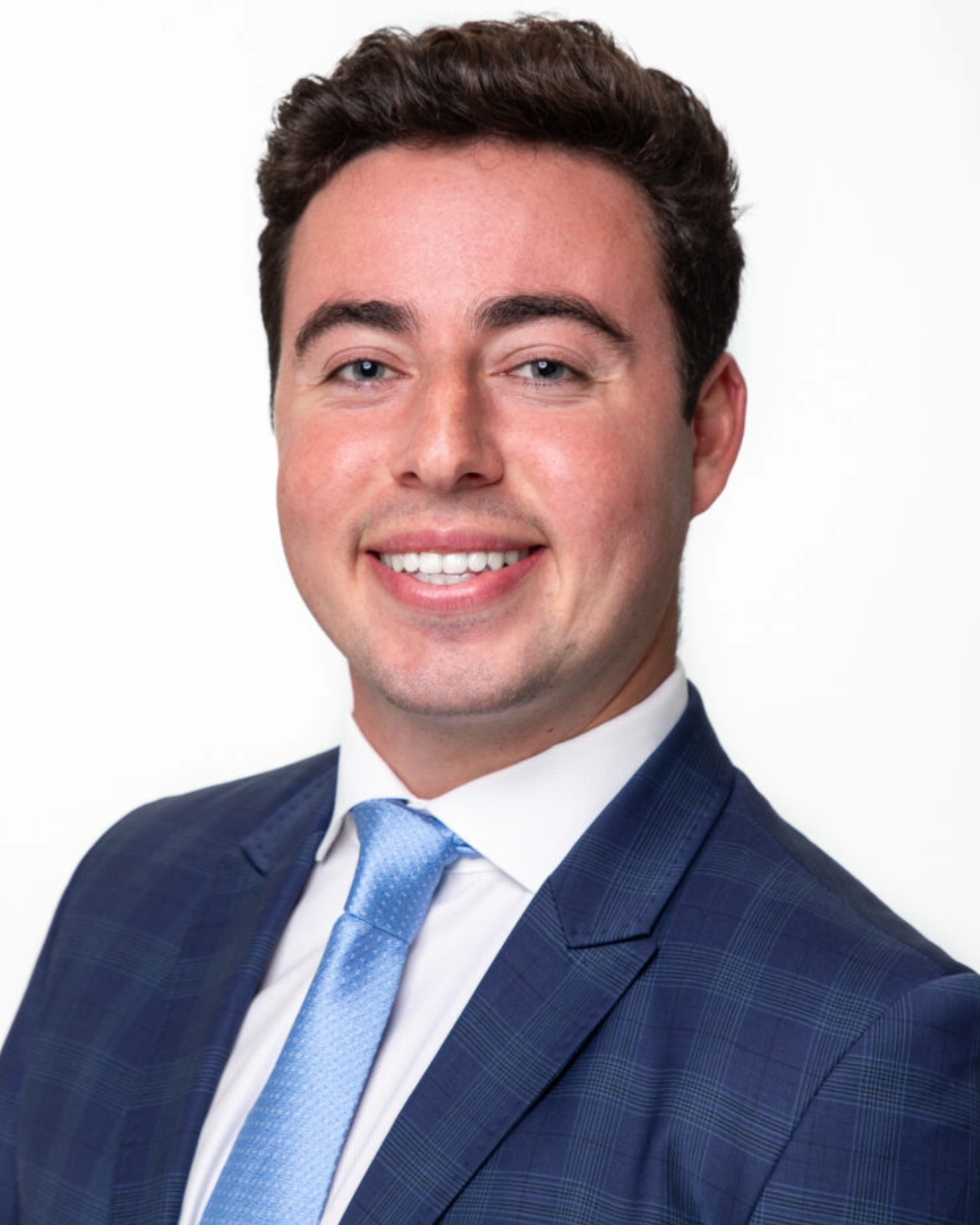
Meridian Capital Group arranges 10-year retail lease for Mess at 236 West 10th St.
Manhattan, NY According to Meridian Capital Group, Jordan Langer, Noam Aziz and Carson Shahrabani of the firm’s retail leasing team have arranged a five-year lease at 236 West 10th St. in Greenwich Village


.jpg)

Quick Hits
.gif)
Columns and Thought Leadership
AI comes to public relations, but be cautious, experts say - by Harry Zlokower
Last month Bisnow scheduled the New York AI & Technology cocktail event on commercial real estate, moderated by Tal Kerret, president, Silverstein Properties, and including tech officers from Rudin Management, Silverstein Properties, structural engineering company Thornton Tomasetti and the founder of Overlay Capital Build,

Behind the post: Why reels, stories, and shorts work for CRE (and how to use them) - by Kimberly Zar Bloorian
Let’s be real: if you’re still only posting photos of properties, you’re missing out. Reels, Stories, and Shorts are where attention lives, and in commercial real estate, attention is currency.

Strategic pause - by Shallini Mehra and Chirag Doshi
Many investors are in a period of strategic pause as New York City’s mayoral race approaches. A major inflection point came with the Democratic primary victory of Zohran Mamdani, a staunch tenant advocate, with a progressive housing platform which supports rent freezes for rent

Lasting effects of eminent domain on commercial development - by Sebastian Jablonski
The state has the authority to seize all or part of privately owned commercial real estate for public use by the power of eminent domain. Although the state is constitutionally required to provide just compensation to the property owner, it frequently fails to account
.gif)