



News:
Brokerage
Posted: February 5, 2010
How new residential foreclosure laws affect commercial lending
On Dec. 15, 2009 Albany passed legislation that changes present residential foreclosure laws. These changes also have a substantial impact on commercial lender's rights and responsibilities. The well intended purpose of the amendments was to further protect distressed homeowners, prevent blighted neighborhoods, establish tenant protections, and prevent homeowner rescue scams. However, the result will be detrimental to commercial lenders as the new law will lengthen the foreclosure process, increase expenses, introduce new lender responsibilities and liabilities, and hamper the liquidity and balance sheets of the banks.
"Residential real property" is newly defined to include property improved by a building/structure that may be used, partly or wholly, as a residence, including co-op, apartment, and mixed-use buildings. The law imposes a duty on banks to maintain the premises and gives tenants the right to remain in a dwelling post-foreclosure. Banks must continue to pay real estate taxes and insurance, and may have to provide utilities and other services to properties that are not generating income.
Reports show 140 banks failed in 2009. The estimated average failed bank costs the FDIC $261 million. The pre-amended foreclosure laws attacked predatory loans. Healthy banks stayed healthy by continuing to lend, with the ability to recoup their investment, while banks with illegitimate loans suffered the consequences. By slowing the foreclosure process and imposing additional costs and liabilities on all lenders, the amendments will further restrict lending activity and undermine stable institutions.
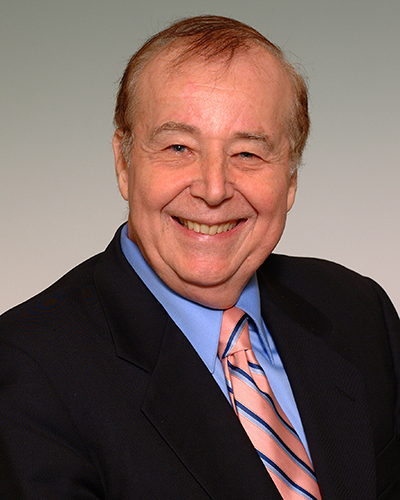
Kathryn Sammon Burns, Esq. is an attorney at Forchelli, Curto, Deegan, Schwartz, Mineo, Cohn & Terrana LLP, Uniondale, N.Y.
Tags:
Brokerage
MORE FROM Brokerage
Meridian Capital Group arranges 10-year retail lease for Mess at 236 West 10th St.
Manhattan, NY According to Meridian Capital Group, Jordan Langer, Noam Aziz and Carson Shahrabani of the firm’s retail leasing team have arranged a five-year lease at 236 West 10th St. in Greenwich Village


.jpg)

Quick Hits

Columns and Thought Leadership

Strategic pause - by Shallini Mehra and Chirag Doshi
Many investors are in a period of strategic pause as New York City’s mayoral race approaches. A major inflection point came with the Democratic primary victory of Zohran Mamdani, a staunch tenant advocate, with a progressive housing platform which supports rent freezes for rent

Behind the post: Why reels, stories, and shorts work for CRE (and how to use them) - by Kimberly Zar Bloorian
Let’s be real: if you’re still only posting photos of properties, you’re missing out. Reels, Stories, and Shorts are where attention lives, and in commercial real estate, attention is currency.

Lasting effects of eminent domain on commercial development - by Sebastian Jablonski
The state has the authority to seize all or part of privately owned commercial real estate for public use by the power of eminent domain. Although the state is constitutionally required to provide just compensation to the property owner, it frequently fails to account
AI comes to public relations, but be cautious, experts say - by Harry Zlokower
Last month Bisnow scheduled the New York AI & Technology cocktail event on commercial real estate, moderated by Tal Kerret, president, Silverstein Properties, and including tech officers from Rudin Management, Silverstein Properties, structural engineering company Thornton Tomasetti and the founder of Overlay Capital Build,
.gif)