


News:
Brokerage
Posted: June 27, 2023
Getting ready for the heat: Before your HVAC acts up - by Chris Plummer
There is a famous saying within the HVAC industry: Components don’t die, something kills them. Component failure can lead to costly repairs, and when it happens, service technicians turn into de-facto detectives looking for the killer. Most of the time though, failures come from one thing: lack of maintenance.
Given the many levels of preventive maintenance required to keep equipment from dying, being proactive with all systems connected to your mechanical equipment is key. “Unnecessary breakdown” is a word no one likes to hear, but it’s caused when preventive action isn’t performed. During a formal maintenance visit, a trained technician inspects equipment looking for any possible defects in devices that could cause a failure, and when a dirty device or failed component is discovered, the technician can address the problem in real time, avoiding a breakdown.
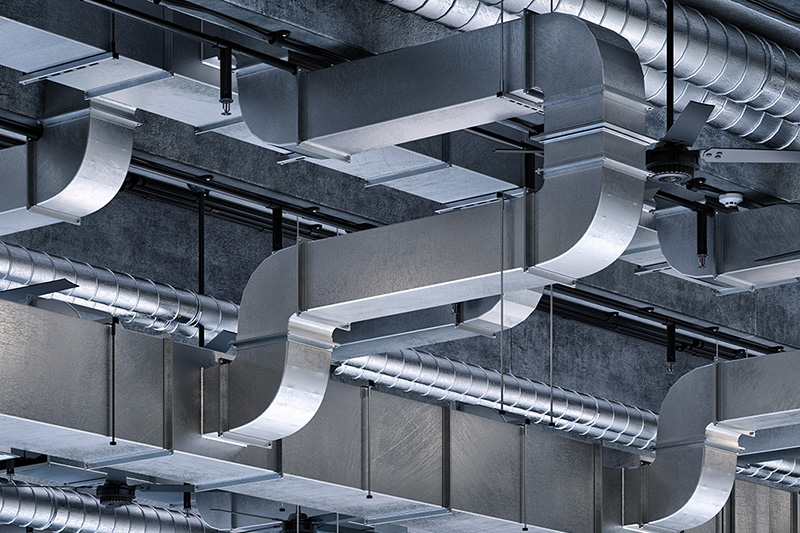
So, what is the number one preventable cause of major damage and repair costs? Water leaks. An unchecked leak can lead to a host of other issues, including clogged drain lines, slimy overflow in condensate drain pans, and more. While inspecting for leaks, it’s also a good idea to check for dirty air filters, worn fan belts, and dirty blower wheels.
Being proactive with your equipment doesn’t just prevent breakdowns either. It can improve normal operation as well, affecting:
• Energy Efficiency: When equipment is maintained properly, it reduces stress on the internal machinery, allowing it to operate as designed.
• Air Quality: Poor air quality is a direct result of an unclean air filter, but maintaining and replacing UV lighting and other devices that regulate the amount of air transfers performed throughout the day are also just as critical.
Just like for us, reduced stress extends life. This is especially important when talking about equipment that operates off electricity. When equipment consistently operates un-maintained, it uses more electricity, which causes overheating, additional stress, and equipment failure.
MIH Systems Group, of the Gil-Bar HVAC collective, has advocated for peak efficiency, maintenance, and safety for each of its clients since its inception in 2009. MIH recommends regular maintenance checks every three months for commercial properties.
HVAC Critical Systems Checklist:
[ ] Inspect for Leaks
[ ] Check for Dirty Air Filters
[ ] How is your Fan Belt Looking?
[ ] Are your Blower Wheels Clean?
Chris Plummer is a product manager for Gil-Bar Industries, Manhattan, NY.
Tags:
Brokerage
MORE FROM Brokerage
Meridian Capital Group arranges 10-year retail lease for Mess at 236 West 10th St.
Manhattan, NY According to Meridian Capital Group, Jordan Langer, Noam Aziz and Carson Shahrabani of the firm’s retail leasing team have arranged a five-year lease at 236 West 10th St. in Greenwich Village


.jpg)

Quick Hits
.gif)
Columns and Thought Leadership

Behind the post: Why reels, stories, and shorts work for CRE (and how to use them) - by Kimberly Zar Bloorian
Let’s be real: if you’re still only posting photos of properties, you’re missing out. Reels, Stories, and Shorts are where attention lives, and in commercial real estate, attention is currency.

Strategic pause - by Shallini Mehra and Chirag Doshi
Many investors are in a period of strategic pause as New York City’s mayoral race approaches. A major inflection point came with the Democratic primary victory of Zohran Mamdani, a staunch tenant advocate, with a progressive housing platform which supports rent freezes for rent
AI comes to public relations, but be cautious, experts say - by Harry Zlokower
Last month Bisnow scheduled the New York AI & Technology cocktail event on commercial real estate, moderated by Tal Kerret, president, Silverstein Properties, and including tech officers from Rudin Management, Silverstein Properties, structural engineering company Thornton Tomasetti and the founder of Overlay Capital Build,

Lasting effects of eminent domain on commercial development - by Sebastian Jablonski
The state has the authority to seize all or part of privately owned commercial real estate for public use by the power of eminent domain. Although the state is constitutionally required to provide just compensation to the property owner, it frequently fails to account
.gif)