



News:
Brokerage
Posted: May 27, 2025
Foodservice accessibility: How automatic doors make restaurants more inclusive
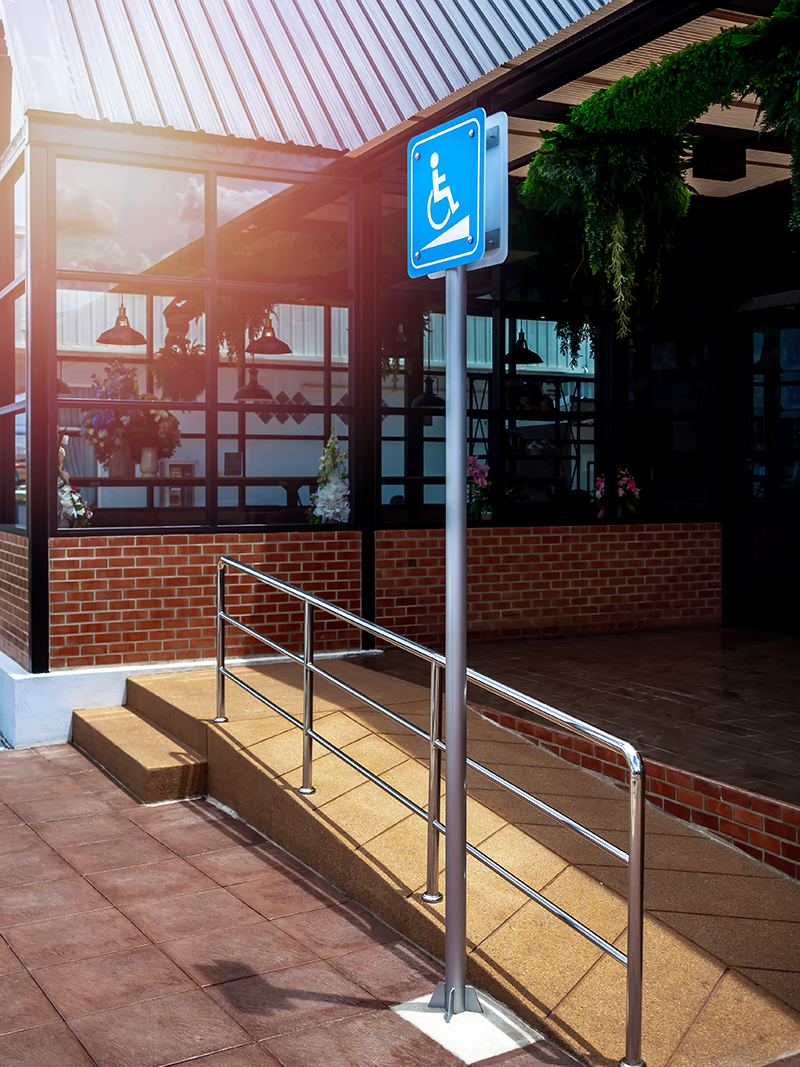 New York, NY Restaurants and other foodservice establishments play an important role in creating inclusive, welcoming environments for all guests, including those with physical disabilities. According to the American Association of Automatic Door Manufacturers (AAADM), automatic doors are a key component of ensuring accessibility, alongside features like ramps, clear pathways, and proper signage.
High-quality entrance solutions, such as swinging doors, sliding doors, and other automatic systems, are ideal for restaurants. These doors can be installed at various points, such as main entrances, kitchens, and storage areas. Automatic doors also serve a practical purpose by discreetly separating customer areas from kitchens, food storage, and warehouses. This creates a more efficient and accessible experience for all guests, regardless of their mobility level or physical ability.
Automatic doors are also contributing to big changes in the drive-thru line. The familiar chest-high service windows are being replaced by full-size automatic doors. These full-length cut-throughs enable employees to walk right up to cars, straight from the kitchen. In busy times, workers can easily serve larger orders or run them out to parked cars.
Automatic doors contribute to the overall accessibility of an eating establishment. They work in conjunction with accessible pathways throughout the restaurant that allow guests to move freely between different areas, including common spaces, order and pick-up stations, self-service stations, and seating arrangements. This ensures there is enough room for individuals using mobility devices or service animals to navigate comfortably and safely.
Beyond enhancing accessibility, automatic doors help restaurants, retail foodservice stores (grocerants), and coffee shops comply with building codes, improve the customer experience, and boost operational efficiency. They are energy-efficient, weather-resistant, optimize traffic flow, save valuable space, and streamline access for everyone.
Tags:
Brokerage
MORE FROM Brokerage
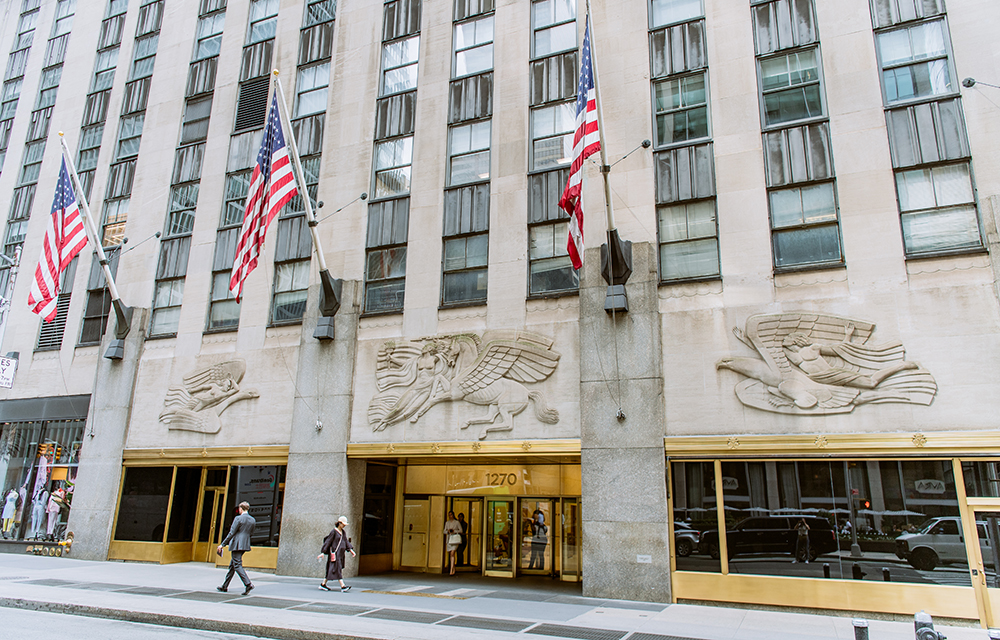
Horizon Kinetics relocates new headquarters to Tishman Speyer’s Rockefeller Center
Manhattan, NY According to Tishman Speyer investment boutique Horizon Kinetics Asset Management LLC will relocate its current New York office to 18,713 s/f on the 27th floor of 1270 Avenue of the Americas at

.jpg)

Quick Hits
.gif)
Columns and Thought Leadership

AI comes to public relations, but be cautious, experts say - by Harry Zlokower
Last month Bisnow scheduled the New York AI & Technology cocktail event on commercial real estate, moderated by Tal Kerret, president, Silverstein Properties, and including tech officers from Rudin Management, Silverstein Properties, structural engineering company Thornton Tomasetti and the founder of Overlay Capital Build,

Lasting effects of eminent domain on commercial development - by Sebastian Jablonski
The state has the authority to seize all or part of privately owned commercial real estate for public use by the power of eminent domain. Although the state is constitutionally required to provide just compensation to the property owner, it frequently fails to account

Behind the post: Why reels, stories, and shorts work for CRE (and how to use them) - by Kimberly Zar Bloorian
Let’s be real: if you’re still only posting photos of properties, you’re missing out. Reels, Stories, and Shorts are where attention lives, and in commercial real estate, attention is currency.

Strategic pause - by Shallini Mehra and Chirag Doshi
Many investors are in a period of strategic pause as New York City’s mayoral race approaches. A major inflection point came with the Democratic primary victory of Zohran Mamdani, a staunch tenant advocate, with a progressive housing platform which supports rent freezes for rent
.gif)