



News:
Brokerage
Posted: March 25, 2025
The state of commercial real estate debt markets - by Michael Zysman
Today’s banking environment for commercial real estate can be defined as a period of low liquidity and lingering distress. Much of this distress is due to banks having made aggressive loans in the COVID era, coupled with the functional obsolescence of many buildings due to rapid technological innovation. A large portion of regional and small banks in the U.S. are burdened with underperforming commercial real estate loans that have fixed interest rates at levels less than what they can sell certificates of deposit for in the current market. Many of these banks are staying afloat due to emergency funding from the Federal Reserve. This dynamic puts these banks in a precarious situation that could force them to liquidate loans at losses, that they are not able to cover if there is a swift change in policy. The relative lack of liquidity in banks has pushed many bank borrowers to focus on obtaining stabilized loans from insurance companies and government backed institutions as alternatives.
Commercial real estate market activity could improve if banks start selling assets off or restructuring loans at a quicker pace, due to the continued deterioration and underutilization of many overleveraged properties. Allowing these assets to continue their current path can negatively affect the country’s supply of quality housing and the long-term resiliency of the economy. Taking losses in a thought-out and just way allows the system to fix and learn from its mistakes, and reinvent obsolete real estate. New policy changes could also help improve the health of commercial real estate capital markets and increase activity in commercial real estate ventures.
Michael Zysman is the managing principal of City Bay Capital LLC, Miami Beach, FL.
Tags:
Brokerage
MORE FROM Brokerage
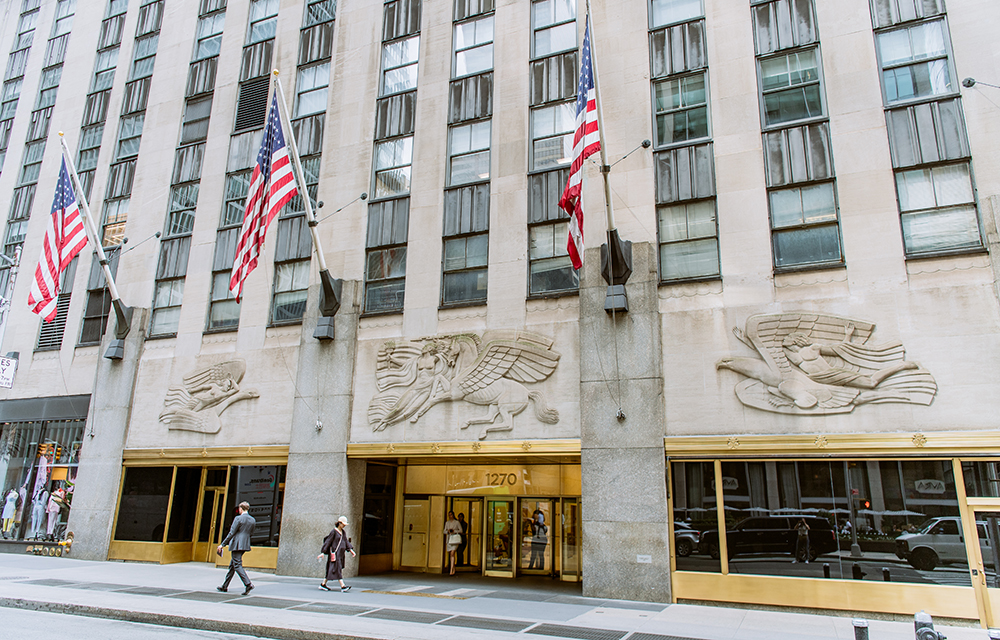
Horizon Kinetics relocates new headquarters to Tishman Speyer’s Rockefeller Center
Manhattan, NY According to Tishman Speyer investment boutique Horizon Kinetics Asset Management LLC will relocate its current New York office to 18,713 s/f on the 27th floor of 1270 Avenue of the Americas at


.jpg)


Columns and Thought Leadership

Strategic pause - by Shallini Mehra and Chirag Doshi
Many investors are in a period of strategic pause as New York City’s mayoral race approaches. A major inflection point came with the Democratic primary victory of Zohran Mamdani, a staunch tenant advocate, with a progressive housing platform which supports rent freezes for rent

Lasting effects of eminent domain on commercial development - by Sebastian Jablonski
The state has the authority to seize all or part of privately owned commercial real estate for public use by the power of eminent domain. Although the state is constitutionally required to provide just compensation to the property owner, it frequently fails to account

Behind the post: Why reels, stories, and shorts work for CRE (and how to use them) - by Kimberly Zar Bloorian
Let’s be real: if you’re still only posting photos of properties, you’re missing out. Reels, Stories, and Shorts are where attention lives, and in commercial real estate, attention is currency.
AI comes to public relations, but be cautious, experts say - by Harry Zlokower
Last month Bisnow scheduled the New York AI & Technology cocktail event on commercial real estate, moderated by Tal Kerret, president, Silverstein Properties, and including tech officers from Rudin Management, Silverstein Properties, structural engineering company Thornton Tomasetti and the founder of Overlay Capital Build,
.gif)