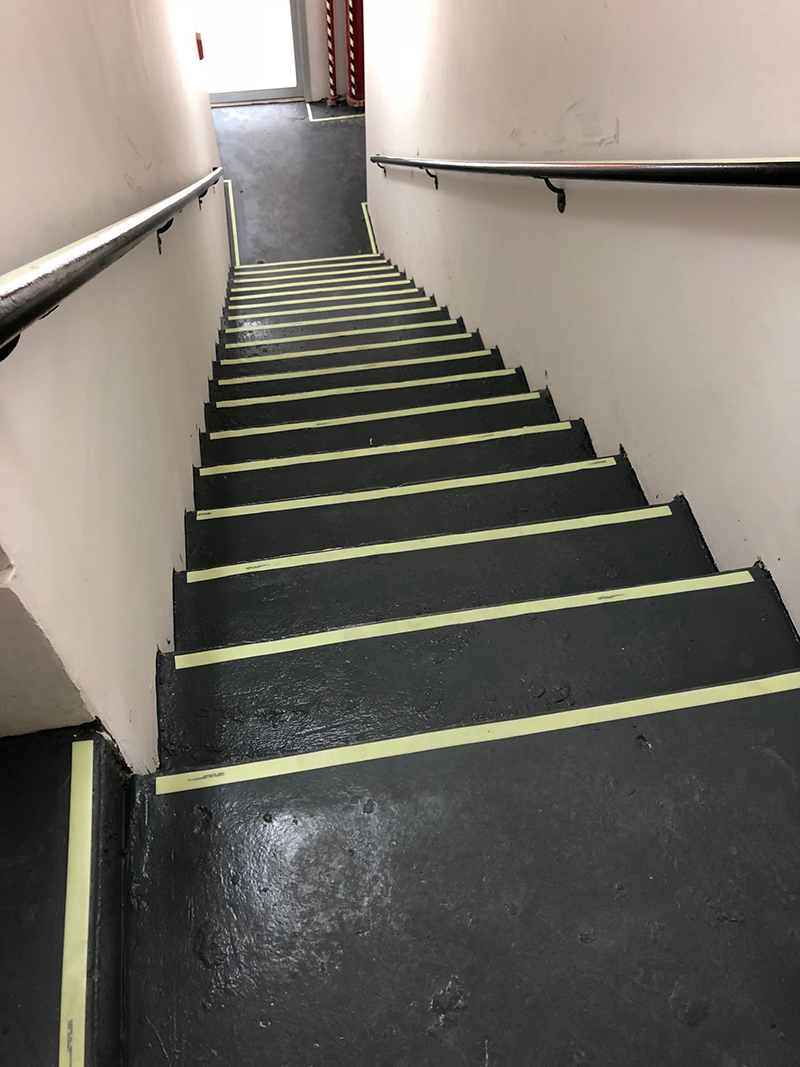






In July 2006, five years after the tragic events of September 11, 2001, New York City introduced Local Law 26, a measure symbolizing a collective resolve to prioritize safety in the face of disaster. The law mandated the installation of building code-compliant photoluminescent glow-in-the-dark markings in high-rise buildings to provide 24/7 fail-safe emergency egress guidance — a potentially life-saving technology for occupants during power outages or fire- and smoke-obscured evacuations.
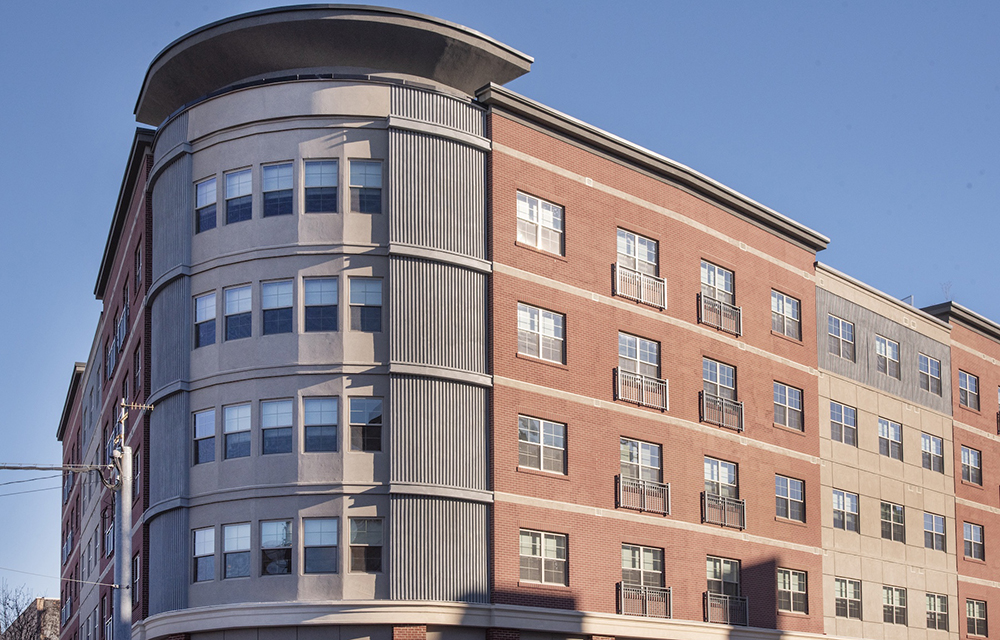
While Local Law 26 marked progress, its effectiveness in NYC has been significantly undermined by a troubling compliance exemption for residential high-rise apartment buildings. This loophole has persisted even under the broader and more stringent Local Law 141, enacted in 2013. The exemption exposes a stark reality: the city’s most populous and vulnerable occupants — residents of residential high-rises — have been left unprotected.
Local Law 141 dramatically expanded the scope of Local Law 26, now covering nearly all high-rise buildings with occupied floors more than 75 ft. above fire department access, including schools, hospitals, hotels, and areas of public assembly. Yet, inexplicably, residential high-rise buildings — housing millions of New Yorkers — are still exempt.
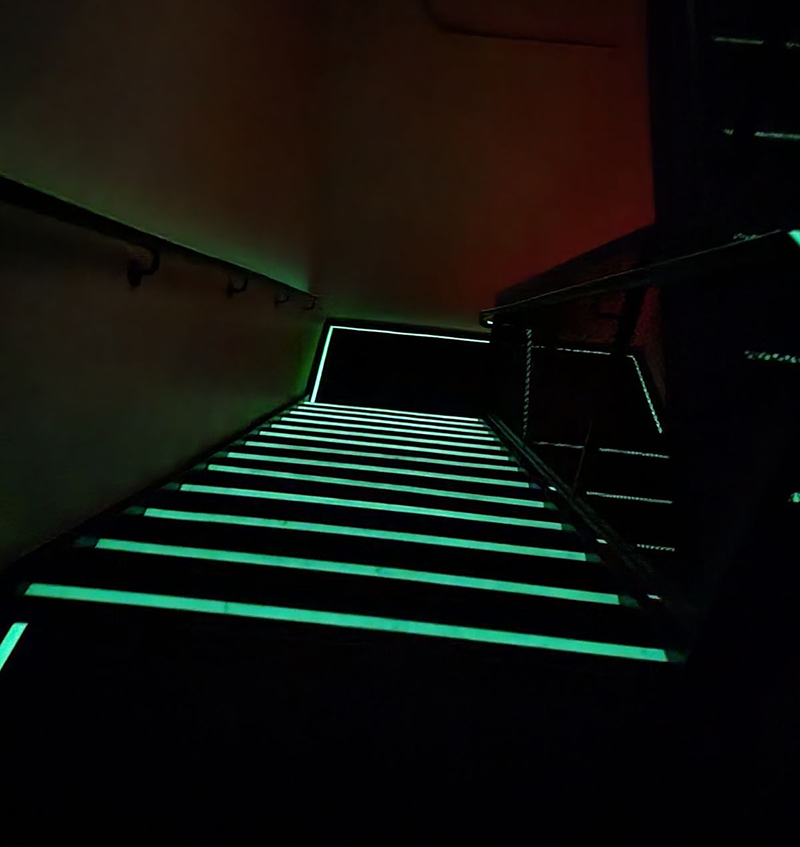
This exemption implies that the safety measures mandated for offices and public spaces do not extend to the places where people live, sleep, and spend most of their time. Families, the elderly, and individuals with disabilities — some of the city’s most vulnerable populations — are denied the same protections afforded to office workers and hotel guests.
Photoluminescent markings are not a luxury. They are a proven, life-saving technology that guides panicked occupants to safety during emergencies. To deny this safeguard to residential tenants ignores the moral imperative to protect public safety.
The stakes could not be higher. Consider some of the city’s tallest residential towers: the 1,428-ft. Steinway Tower on West 57th St., the 1,388-ft. 432 Park Ave., and the 778-ft. Skyline Tower in Queens. New York City is home to over 6,400 high-rise buildings, most of which house permanent residents, including families and elderly tenants. During emergencies, these groups are less likely to evacuate efficiently, as panic can overwhelm even the most capable individuals. Photoluminescent glow-in-the-dark markings provide a clear, visible path to safety, even in complete darkness.
The exclusion of residential high-rise buildings from Local Law 141 compliance represents a failure to prioritize public safety over private profit. Emergencies do not distinguish between office workers and residents; safety regulations should follow the same principle. The modest cost of installing a fail-safe photoluminescent egress marking system pales in comparison to the potential loss of life and the devastation that could occur during an evacuation in an inadequately marked building stairwell.
As New York continues to build ever-taller residential towers, the need for universal safety measures becomes increasingly urgent. Lawmakers must act to amend Local Law 141, mandating photoluminescent safety systems in all high-rise residential buildings. Anything less poses an unnecessary risk to the millions of inhabitants of this great city.
New York’s skyline stands as a testament to its ambition and perseverance, but the city’s responsibility to its people must not be overshadowed by the drive for rapid development. It is time to prioritize safety over expediency and ensure that all residents, regardless of where they reside, are protected.
Brent Katz is director of marketing, and Robert Katz is president, Suma Industries, Inc., Manhattan, and Art Forst is president of DURA Architectural Signage, Long Island City, NY.

.jpg)

.gif)




.gif)