



News:
Brokerage
Posted: May 28, 2024
Rudin leases 5,521 s/f at 355 Lexington Ave. to Lindamood-Bell
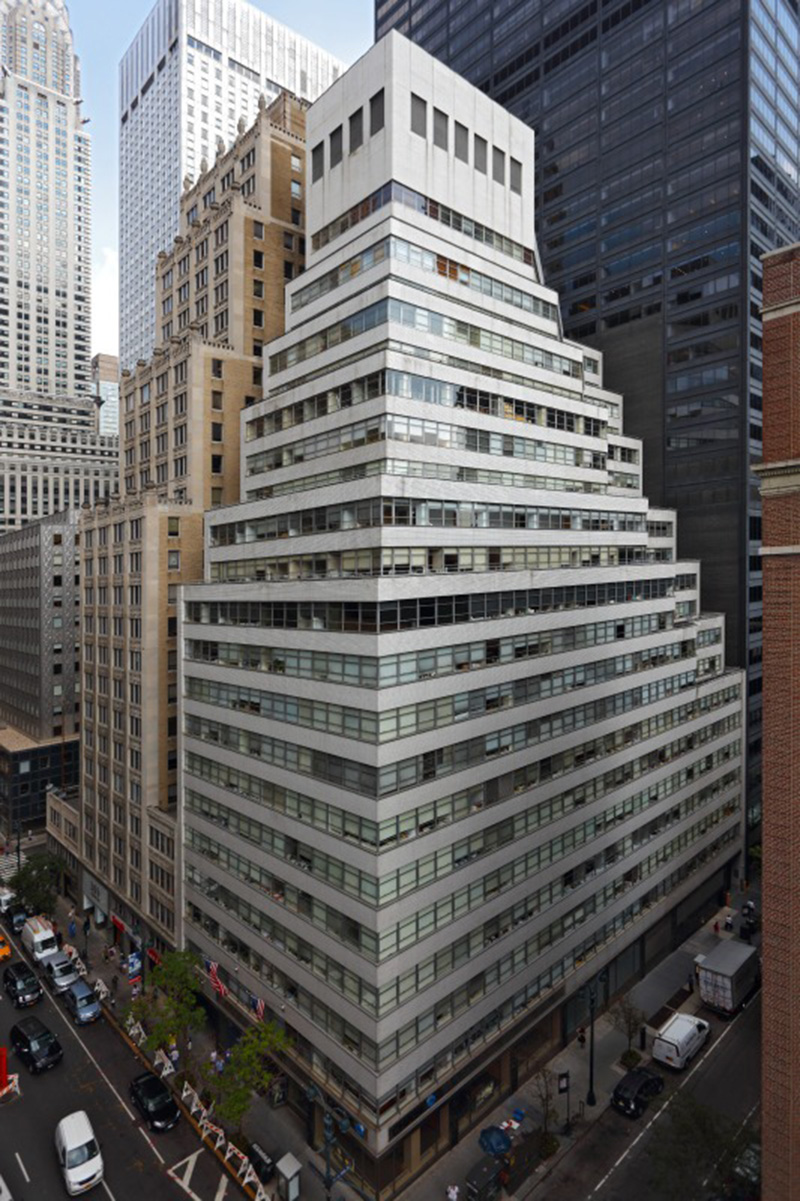 Manhattan, NY Rudin completed a 5,521 s/f lease with educational specialist Lindamood-Bell at 355 Lexington Ave. in Midtown’s Grand Central district.
Lauren Schott and Gary Kamenetsky of CBRE represented Lindamood-Bell. Robert Steinman, senior vice president at Rudin, represented building ownership.
For over 35 years, Lindamood-Bell has utilized evidence-based, sensory-cognitive instruction programs to teach language and literary processing skills to students of all ages. In its new, seven-plus-year lease, the organization will relocate its East Side Learning Center from 110 East 55th St. to a portion of the 10th floor at the building in Q2 2024.
“After 28 years of serving Manhattan’s East Side, we are thrilled that Lindamood-Bell will continue enriching the neighborhood from 355 Lexington Ave.,” said Michael Rudin, co-CEO at Rudin.
“355 Lexington provides a boutique setting and high-quality service, in addition to unrivaled access to the subway, MetroNorth and Long Island Rail Road via the MTA’s Grand Central Madison.”
Famous for its namesake learning method, the organization has provided instruction to over 190,000 students and operates 50 Learnings Centers in the United States, United Kingdom and Australia. Lindamood-Bell’s other New York locations include a Learning Center in Brooklyn Heights as well as Learning Camps on Long Island and in Westchester County.
Designed by Emery Roth & Sons and built in 1959, the 22-story, 270,000 s/f tower is just two blocks from Grand Central Terminal. Rudin has invested in multiple upgrades and improvements over the years, earning the tower an Energy Star label for its operating efficiency, as well as WiredScore Gold certification in recognition of its connectivity.
The building also utilizes Nantum OS, the world’s most advanced building operating system. Nantum OS is the flagship product of Prescriptive Data, a privately held smart building automation company focused on using artificial intelligence to improve efficiency, decrease carbon emissions and optimize tenant comfort.
Tags:
Brokerage
MORE FROM Brokerage
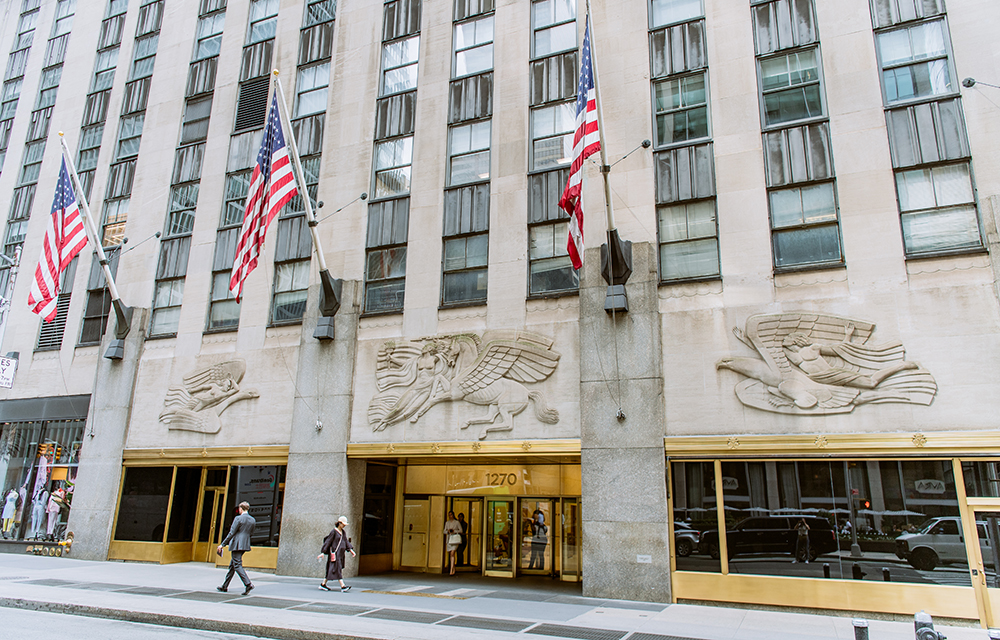
Horizon Kinetics relocates new headquarters to Tishman Speyer’s Rockefeller Center
Manhattan, NY According to Tishman Speyer investment boutique Horizon Kinetics Asset Management LLC will relocate its current New York office to 18,713 s/f on the 27th floor of 1270 Avenue of the Americas at




.jpg)

.gif)
Columns and Thought Leadership

Behind the post: Why reels, stories, and shorts work for CRE (and how to use them) - by Kimberly Zar Bloorian
Let’s be real: if you’re still only posting photos of properties, you’re missing out. Reels, Stories, and Shorts are where attention lives, and in commercial real estate, attention is currency.

AI comes to public relations, but be cautious, experts say - by Harry Zlokower
Last month Bisnow scheduled the New York AI & Technology cocktail event on commercial real estate, moderated by Tal Kerret, president, Silverstein Properties, and including tech officers from Rudin Management, Silverstein Properties, structural engineering company Thornton Tomasetti and the founder of Overlay Capital Build,

Strategic pause - by Shallini Mehra and Chirag Doshi
Many investors are in a period of strategic pause as New York City’s mayoral race approaches. A major inflection point came with the Democratic primary victory of Zohran Mamdani, a staunch tenant advocate, with a progressive housing platform which supports rent freezes for rent

Lasting effects of eminent domain on commercial development - by Sebastian Jablonski
The state has the authority to seize all or part of privately owned commercial real estate for public use by the power of eminent domain. Although the state is constitutionally required to provide just compensation to the property owner, it frequently fails to account
.gif)