
What is the most cost-effective upgrade a building can make to improve property value and resident satisfaction? - by Nick Esteves

In today’s competitive real estate environment, owners, boards, and property managers are increasingly focused on identifying upgrades that improve property value while delivering meaningful benefits to residents. Rising operating costs, limited capital budgets, and heightened expectations have made it essential to invest strategically — favoring enhancements that deliver both functional and financial return.
One of the most cost-effective and impactful improvements available today is the conversion of underutilized building space into secure, on-site storage.
For many multifamily properties across the nation, basements, mechanical areas, and other common spaces remain unused or minimally utilized. These overlooked zones often serve as catchalls for maintenance overflow or outdated equipment, yet they represent significant, untapped potential. With the right planning and partnership, they can be transformed into revenue-generating amenities that meaningfully improve the resident experience.
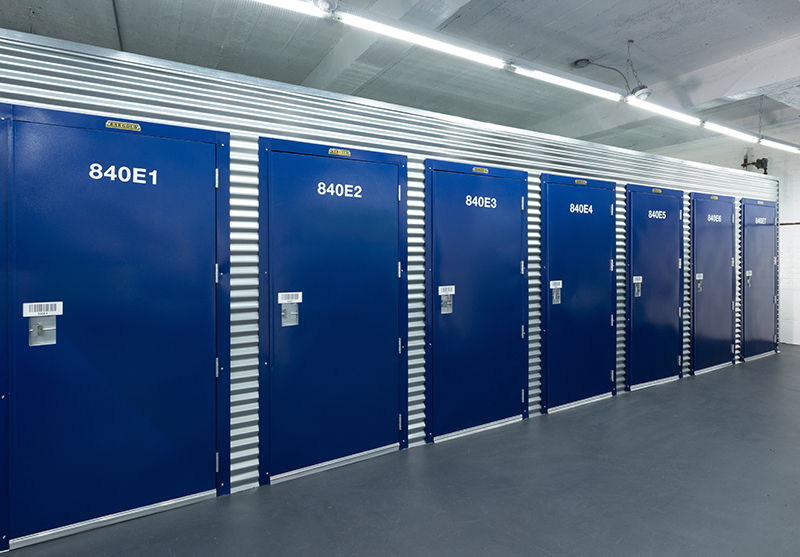
The demand for secure, accessible storage continues to grow. In cities where square footage comes at a premium, residents increasingly view on-site storage as a necessity rather than a luxury. Many are paying high monthly fees for off-site storage facilities — often several blocks or even miles from home — just to keep seasonal or infrequently used belongings. Offering storage within the building itself not only provides a sought-after convenience but also differentiates a property in an increasingly crowded market.
Companies such as Bargold Storage Systems have developed turnkey solutions that allow buildings to capitalize on this need without any upfront capital investment. Bargold designs, installs, and manages customized storage units within existing spaces, handling leasing, payments, and maintenance. The building, in turn, receives a share of the monthly revenue. The process requires no additional staffing or operational oversight, making it particularly attractive to busy boards and property management teams.
From a financial standpoint, the benefits are tangible. For rental properties, on-site storage directly increases net operating income (NOI) — a key metric that drives property valuation and investor appeal. For co-op and condominium buildings, income from rented storage units can help offset operating expenses, supplement reserve funds, or reduce the need for assessments. In all cases, it strengthens the financial foundation of the property while improving day-to-day livability for residents.
The impact extends beyond the balance sheet. On-site storage contributes to tenant satisfaction and retention, which are increasingly vital in maintaining building stability and market position. Residents appreciate the convenience and security of keeping their belongings close at hand, while management benefits from fewer complaints about clutter or lack of space.
Unlike more complex capital projects — such as fitness centers, rooftop decks, or lobby redesigns — on-site storage conversions can be implemented quickly and with minimal disruption. They require no extensive construction, and they repurpose existing areas, ensuring every square foot of a building contributes to its overall value.
As the market continues to evolve, the most successful buildings will be those that maximize resources, anticipate resident needs, and invest in enhancements that balance practicality with profitability. On-site storage exemplifies this balance: an amenity that residents truly use, that strengthens property performance, and that reflects thoughtful stewardship of both space and capital.
In a city where every inch matters, unlocking the potential of unused space is not just a convenience — it’s a smart, strategic investment in the long-term vitality of the property.
Nick Esteves is vice president of Bargold Storage Systems, Mt. Vernon, N.Y.