



News:
Owners Developers & Managers
Posted: February 7, 2017
Perfect storm heads up: Do not allow your building’s bottom line to be blind-sided - by George Crawford
 George Crawford, Green Partners
There is a perfect storm brewing that will put even more pressure on the bottom lines for most buildings – actually negative pressure – as bottom lines get lighter when building expenses get heavier. Recent negative trends for buildings with retail stores at ground level include the “Shop Until You Drop” syndrome. This is moving away from the traditional pounding the sidewalk to pounding a lap top keyboard and checking out with an on-line “Click” at Amazon instead of a “Card Swipe” at a local store around the corner.
Real estate taxes? Get ready for some sticker shock numbers and don’t forget to have your tax certiorari’s number at the ready on a post-it next to your phone. Now you will need to add a newcomer to the list – your electric rates. Rates are about to increase in a big way. Why? Indian Point is shutting down and with it goes the cheap power that is about to be replaced with not-so cheap power. Taxes up, rents down and utilities up – not a good story for any building – commercial or residential, hence a perfect storm.
Do not allow your building’s bottom line to be blind-sided by these negative trends. Take the time to develop viable strategies to minimize the potential impact of increases in building expenses. Our recommended approach is to focus on remedial steps that have a high probability of success and that can be duplicated across multiple buildings – so that the time and effort invested is maximized.
The first order of business is to address current increases in real estate taxes. Peter Blond, Esq. of Brandt, Steinberg, Lewis & Blond, LLP advises that the notices of property value are normally mailed out to property owners by the NYC department of finance in mid-January. Then there is a very limited period of time to file a protest. For most NYC buildings, the tax protest filing period will close this year on March 1st. This notice of property value or tax assessment will determine the amount of taxes due to be included in the upcoming the tax bill - as of July 1st. In terms of addressing (protesting) any assessment increases (assessments are based on 45% of market value), this is not a do-it-yourself project. Given the complexities and the dollars involved, the remedial step is to quickly – very quickly – engage a tax certiorari. Traditionally these firms charge based on their success, so your interests are aligned.
The next order of business is to address the imminent increase in Con Ed electric rates. Indian Point is currently an important supplier of inexpensive power to the metropolitan area. One of the two Indian Point reactors is now scheduled to cease operations by 2019 and the remaining reactor in 2020. With no inexpensive replacement power “identified” (translation – not available), rates are going to rise – without question. Now is the time to offset these rate increases by introducing energy saving measures. In terms of researching appropriate measures, go to the recently issued report entitled “New York City’s Energy and Water Use 2013 Report.” This report includes a comprehensive compilation of energy saving measures with investment payback periods. Two of the measures included in this report are virtually foolproof with quick paybacks and can be readily duplicated across a portfolio of buildings. These measures include: 1) Stand-alone hot water production, and 2) Upgrading to LED lighting. Each of these measures have paybacks in the two year range or a 50% return on the cost of the project investment.
Stand-alone hot water production is very efficient and will save on both fuel and electric. The savings from lower levels of electric and fuel consumption will result in a two year payback in terms of covering the overall cost of the project. As an additional benefit, it will also allow the building boiler to rest off-season. The advantages of allowing a boiler to rest for extended periods includes less boiler maintenance because of fewer hours of operation and longer useful boiler life.
As for LED upgrades, buildings utilizing any fluorescent (including the more efficient CFLs) or incandescent lighting are good candidates for LED upgrades. In terms of payback periods, buildings with a combination of both incandescents and fluorescents will usually have a payback in about one year while buildings with only fluorescents will be in the two year range. Any increases in electric rates will only improve these payback periods. Note as well that Con Ed has just updated its incentive funding programs for LED retro-fits for both multifamily and commercial buildings (including funding for smaller commercial buildings – previously available). Work with a Con Ed market partner to access these funding rebates as well as benefit from Con Ed’s retro-fit oversight, including Con Ed’s on-site inspections which will ensure a quality LED retro-fit.
For more information regarding energy saving measures to protect the bottom line of your building refer to the New York City’s Energy and Water Use 2013 Report or go to www.GreenPartnersNY.com for more New York Real Estate Journal articles on energy savings measures.
George Crawford is the principal of Green Partners, New York, N.Y.
MORE FROM Owners Developers & Managers

Habitat, Duvernay + Brooks and Buffalo Municipal Housing close on 254-unit first phase redev. of Marine Drive Apts.
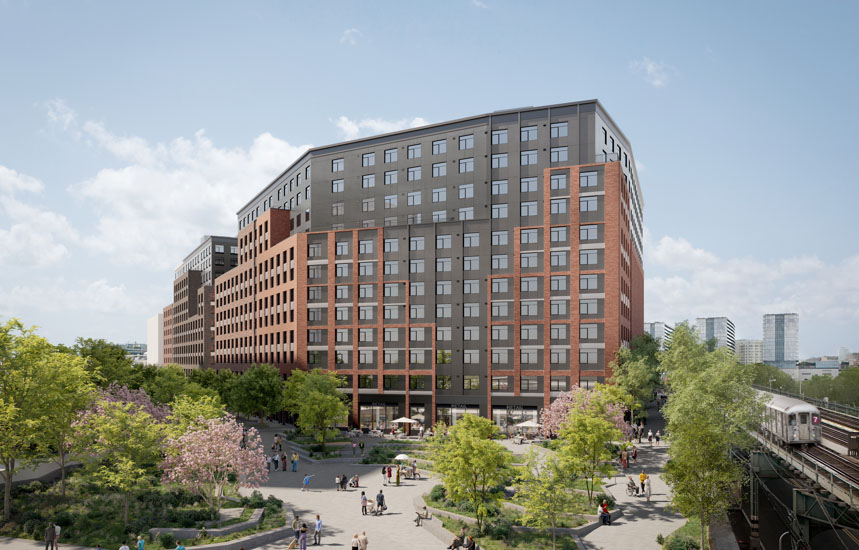
Buffalo, NY The Habitat Company has closed on Marine Drive Apartments, officially setting in motion the redevelopment of the historic waterfront site. The project, undertaken by Habitat in partnership with Duvernay +


.gif)



.jpg)
Columns and Thought Leadership

The CRE content gap: Why owners and brokers need better digital narratives in 2026 - by Kimberly Zar Bloorian
As we head into 2026, one thing is clear: deals aren’t won by who has the best asset; they’re won by who presents it best. Yet many owners, operators, and brokers are entering the new year with outdated photos, inconsistent branding, and limited digital presence. This

Strategies for turning around COVID-distressed properties - by Carmelo Milio
Due to the ongoing pandemic, many landlords are faced with an increasing number of distressed properties. The dramatic increase in unemployment and reduction in income for so many has led to a mass exodus out of Manhattan, an increase in the number of empty rental units
.gif)