



News:
Spotlight Content
Posted: November 22, 2022
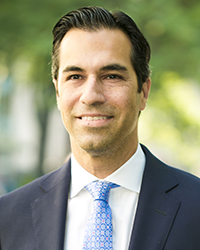
Ones to Watch Fall 2022: Tyler Starr, Herrick Feinstein LLP

Associate
Herrick, Feinstein LLP
What 3 skills do you consider the most important to be successful in your industry?
1. Flexibility: There are often multiple ways to close a deal. It’s important to stay flexible as the client or another party on the transaction may insist on going about the deal in a particular way. You need to be able to adjust your initial gameplan.
2. Positive attitude: Any client service industry can be demanding, and law is no different. I find the best way to keep up with the pace and volume is to have a positive outlook regardless of what is going on around you.
3. Perseverance: As you go through your career, there will likely be individuals involved in deals that are challenging to work with. In these instances, it is prudent to swallow your pride, put your head down and focus on the end goal – like closing the deal.
What is one lesson that you had to learn the hard way?
Get things done in advance whenever possible. I have needlessly burned the midnight oil when I could have put in the work beforehand.
What do you enjoy doing when you are not working?
Cooking – I find it therapeutic and a great way to detach from work. Additionally, I can share the final product with family and friends which brings me joy.
Tags:
Spotlight Content
MORE FROM Spotlight Content

Over half of Long Island towns vote to exceed the tax cap - Here’s how owners can respond - by Brad and Sean Cronin
When New York permanently adopted the 2% property tax cap more than a decade ago, many owners hoped it would finally end the relentless climb in tax bills. But in the last couple of years, that “cap” has started to look more like a speed bump. Property owners are seeing taxes increase even when an


.png)


Quick Hits
.gif)
.jpg)
Columns and Thought Leadership

The strategy of co-op busting in commercial real estate - by Robert Khodadadian
In New York City’s competitive real estate market, particularly in prime neighborhoods like Midtown Manhattan, investors are constantly seeking new ways to unlock property value. One such strategy — often overlooked but
How much power does the NYC mayor really have over real estate policy? - by Ron Cohen
The mayor of New York City holds significant influence over real estate policy — but not absolute legislative power. Here’s how it breaks down:
Formal Legislative Role
• Limited direct lawmaking power: The NYC Council is the primary

Oldies but goodies: The value of long-term ownership in rent-stabilized assets - by Shallini Mehra
Active investors seeking rent-stabilized properties often gravitate toward buildings that have been held under long-term ownership — and for good reasons. These properties tend to be well-maintained, both physically and operationally, offering a level of stability

Properly serving a lien law Section 59 Demand - by Bret McCabe
Many attorneys operating within the construction space are familiar with the provisions of New York Lien Law, which allow for the discharge of a Mechanic’s Lien in the event the lienor does not commence an action to enforce following the service of a “Section 59 Demand”.
.gif)