



News:
Brokerage
Posted: July 29, 2025
LLC’s manager’s liability to members - by Thomas Kearns

The liability of the person appointed as a manager of a New York limited liability company is one of the more fraught and confusing areas of New York’s LLC law. First, the basics: LLC managers are liable to members of the LLC for their fraud and for breach of any express provisions of the agreement governing the LLC and, even if not expressly referred to in the LLC agreement, for any self-dealing where the manager receives inequitable payments that should have otherwise been distributed to members as profits. After those basics, the answers get murkier. This discussion of these issues is always subject to a review of the LLC agreement and of the actions involved.
Generally, LLC managers are entitled to exercise their business judgment in the management of the LLC’s business. A major disagreement with the members, even a majority of the members, is typically not a breach of any duty by the manager unless the manager’s decision violates an express provision of the LLC agreement. For example, a manager can decide that a property should be sold to a third party in an arms length transaction and the company liquidated. Non-managing members who believe a higher price could be achieved by waiting to sell will not have legal standing to challenge the manager’s judgment absent an express LLC agreement provision.
This business judgement rule protects the manager even if the manager has a personal reason to sell. For example, if the manager volunteered an affiliate to be a guarantor of the LLC’s mortgage loan, the manager can take into account that the guarantor’s liability will be eliminated upon the sale to a third party with the mortgage loan being paid off at the closing of the sale.
But what if the manager makes mistakes in the operation of the business? Generally, the manager is not liable for mere mistakes. In re Transfix Prods. LLC, a recent bankruptcy case illustrates the point. After the LLC filed for bankruptcy, the court appointed bankruptcy trustee sued the manager for gross negligence and breach of duty to the members and the LLC’s creditors. The manager had created the LLC and raised capital from investors to put on an art exhibition in Las Vegas to run for several months. The exhibition was a failure. Costs went well over budget. Ticket sales were a fraction of what the manager had projected when raising the money and the exhibit closed after a few weeks. But the court held that the trustee could not point to any fraud or bad faith by the manager and the manager was protected by the exculpation and indemnity clauses in the LLC agreement. In other words, even where the business was a disastrous failure, the manager is not liable unless he did something fraudulent or in bad faith.
With this background, plantiffs often allege breaches of fiduciary duty or breaches of the implied covenant of the covenant of good faith and fair dealing and other amorphous legal principles. Court decisions are mixed in terms of analyzing the allegations given the specific terms of the LLC agreement and the facts of the case giving judges wide leeway to view the equities of the situation. But the Transfix decision cited above is a recent example which confirms that mere business judgement mistakes are not actionable absent any breach of an express provision in the LLC agreement.
Thomas Kearns is a partner with Olshan Frome Wolosky LLP, Manhattan, N.Y
Tags:
Brokerage
MORE FROM Brokerage
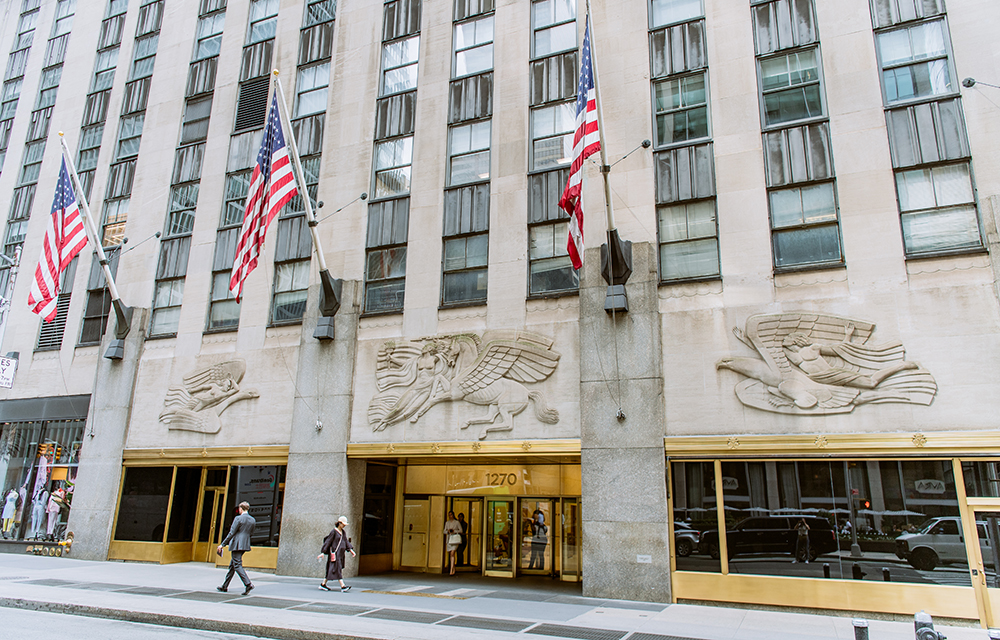
Horizon Kinetics relocates new headquarters to Tishman Speyer’s Rockefeller Center
Manhattan, NY According to Tishman Speyer investment boutique Horizon Kinetics Asset Management LLC will relocate its current New York office to 18,713 s/f on the 27th floor of 1270 Avenue of the Americas at




.jpg)

Quick Hits
.gif)
Columns and Thought Leadership

Behind the post: Why reels, stories, and shorts work for CRE (and how to use them) - by Kimberly Zar Bloorian
Let’s be real: if you’re still only posting photos of properties, you’re missing out. Reels, Stories, and Shorts are where attention lives, and in commercial real estate, attention is currency.

Strategic pause - by Shallini Mehra and Chirag Doshi
Many investors are in a period of strategic pause as New York City’s mayoral race approaches. A major inflection point came with the Democratic primary victory of Zohran Mamdani, a staunch tenant advocate, with a progressive housing platform which supports rent freezes for rent

AI comes to public relations, but be cautious, experts say - by Harry Zlokower
Last month Bisnow scheduled the New York AI & Technology cocktail event on commercial real estate, moderated by Tal Kerret, president, Silverstein Properties, and including tech officers from Rudin Management, Silverstein Properties, structural engineering company Thornton Tomasetti and the founder of Overlay Capital Build,

Lasting effects of eminent domain on commercial development - by Sebastian Jablonski
The state has the authority to seize all or part of privately owned commercial real estate for public use by the power of eminent domain. Although the state is constitutionally required to provide just compensation to the property owner, it frequently fails to account
.gif)