



News:
Brokerage
Posted: October 10, 2008
Is there a Manhattan real estate boom on the horizon?
Many ask what will happen to the real estate market in Manhattan. Although on the surface one might anticipate empty offices, apartments and buildings on the horizon, what most do not see is the resilience and opportunities characteristic of this great city-the capital of the world.
I will never forget the shocking sound of my own footsteps in Times Sq. the week following 9/11. Families grieved, businesses folded, and many chose to sell their apartments and to leave the city. What happened to the Manhattan real estate market as a result of 9/11? There was a blip. The average sale price for an apartment went from $837,000 to $821,000 in 2002. In 2003 Manhattan apartments were back on the rise as the average sale of an apartment bounced to $881,000 and had steady increases leading to $1.395 million in 2007.
The Manhattan real estate market has already been affected by the mortgage crises. There are more properties on the market this year. Apartments are staying on the market longer and there are less sales transactions. Dollars in sales, are up as apartments are not only holding their value, they are still increasing in value.
The reasons are:
* The strong international buyer who has an insatiable appetite for our luxury apartments in new developments.
* Young families who have chosen to raise their children in the city have been buying large properties and combining 2,3, or 4 apartments to accommodate their lifestyles.
* Cooperative apartments still make up the majority of properties in Manhattan and have a reputation of strict financial guidelines for purchasing apartments.
If the smartest and best educated people in the financial world can not control this crisis where are we to put our money? After the initial shock waves, could this lead to a Manhattan real estate boom?
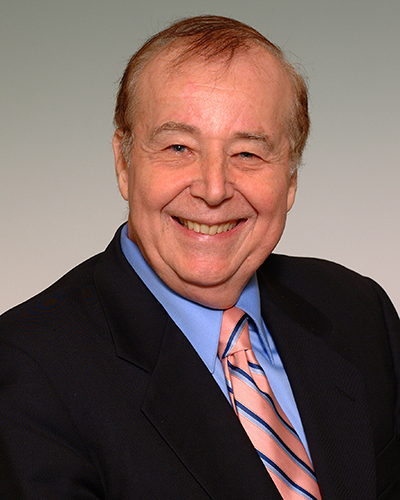
Debra Duneier is a senior associate broker at The Corcoran Group, New York, N.Y.
Tags:
Brokerage
MORE FROM Brokerage
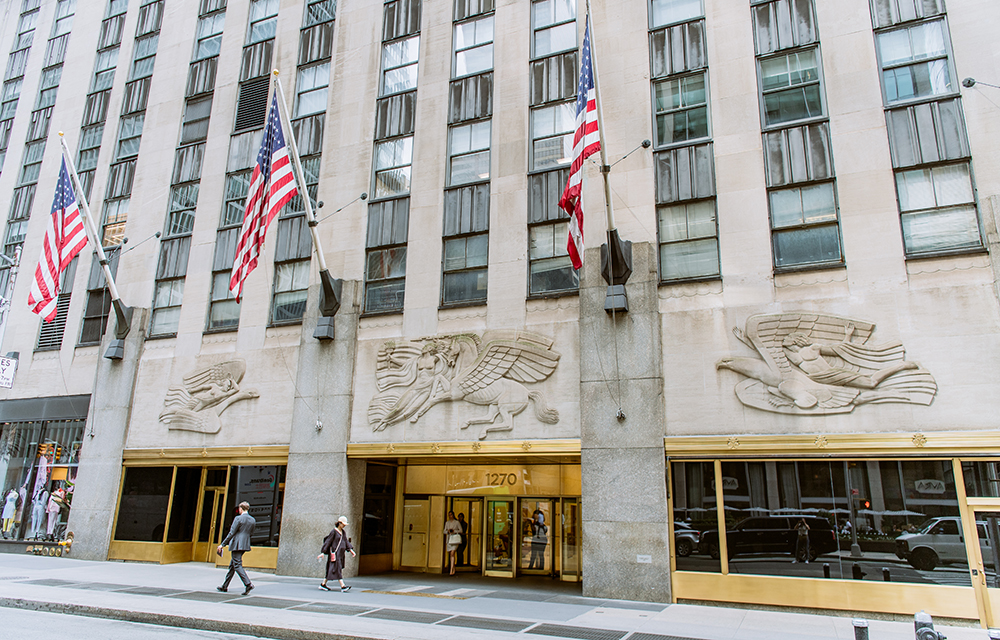
Horizon Kinetics relocates new headquarters to Tishman Speyer’s Rockefeller Center
Manhattan, NY According to Tishman Speyer investment boutique Horizon Kinetics Asset Management LLC will relocate its current New York office to 18,713 s/f on the 27th floor of 1270 Avenue of the Americas at


.jpg)

Quick Hits

Columns and Thought Leadership

Lasting effects of eminent domain on commercial development - by Sebastian Jablonski
The state has the authority to seize all or part of privately owned commercial real estate for public use by the power of eminent domain. Although the state is constitutionally required to provide just compensation to the property owner, it frequently fails to account

Strategic pause - by Shallini Mehra and Chirag Doshi
Many investors are in a period of strategic pause as New York City’s mayoral race approaches. A major inflection point came with the Democratic primary victory of Zohran Mamdani, a staunch tenant advocate, with a progressive housing platform which supports rent freezes for rent

Behind the post: Why reels, stories, and shorts work for CRE (and how to use them) - by Kimberly Zar Bloorian
Let’s be real: if you’re still only posting photos of properties, you’re missing out. Reels, Stories, and Shorts are where attention lives, and in commercial real estate, attention is currency.
AI comes to public relations, but be cautious, experts say - by Harry Zlokower
Last month Bisnow scheduled the New York AI & Technology cocktail event on commercial real estate, moderated by Tal Kerret, president, Silverstein Properties, and including tech officers from Rudin Management, Silverstein Properties, structural engineering company Thornton Tomasetti and the founder of Overlay Capital Build,
.gif)