



News:
Brokerage
Posted: December 27, 2012
Important post-Sandy recovery information
In the aftermath of Super Storm Sandy, everyone is surveying the damage done to their property and wondering, "How am I supposed to handle this?"
If you've never suffered a property loss, establishing the facts needed to qualify for a tax deduction and calculating the amount of the casualty loss deduction can be daunting. Now is the time to consult with an accounting professional to evaluate your personal situation.
Tax laws as they
relate to casualty loss
Current tax laws allow a deduction for losses of business and non-business property due to a casualty for which you likely qualify. According to the IRS, "A casualty loss can result from the damage, destruction or loss of your property from any sudden, unexpected, or unusual event such as a flood, hurricane, tornado, fire, earthquake or even volcanic eruption. A casualty does not include normal wear and tear or progressive deterioration."
In its Tax Topic 515, "Casualty, Disaster, and Theft Losses (including Federally Declared Disaster Areas)," the Internal Revenue Service advises, "Casualty losses are generally deductible in the year the casualty occurred. However, if you have a casualty loss from a federally declared disaster that occurred in an area warranting public or individual assistance (or both), you can choose to treat the loss as having occurred in the year immediately preceding the tax year in which the disaster happened, and you can deduct the loss on your return or amended return for that preceding tax year."
For additional information, read Topic 515 online at http://www.irs.gov/taxtopics/tc515.html.
What to do if your
business was damaged
As widely reported, the destruction caused by Super Storm Sandy is likely to top $80 billion in losses as thousands of small, midsize and large businesses deal with flooding, physical damage, power outages, government orders and supply-chain disruptions.
Business loans are available to people who have suffered damage to business property or economic injury. These low-interest loans are available through the Small Business Administration (SBA) to repair or replace damaged property not covered by insurance, and to provide working capital. Please visit www.sba.gov for detailed information.
You can also obtain information at the FEMA Disaster Recovery Center (DRC) by visiting www.fema.gov or calling 1-800-621-FEMA. Some of the services may include:
* Guidance regarding disaster recovery
* Clarification of any written correspondence received
* Housing assistance and rental resource information
* Answers to questions, resolution to problems and referrals to agencies that may provide further assistance
* Status of applications being processed by FEMA
* SBA program information
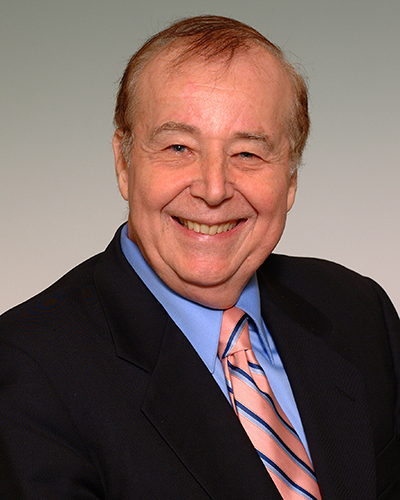
Robert Rothbort, CPA, CFE, is a partner at Armao, Costa & Ricciardi, CPAs, P.C., Garden City, N.Y.
Tags:
Brokerage
MORE FROM Brokerage
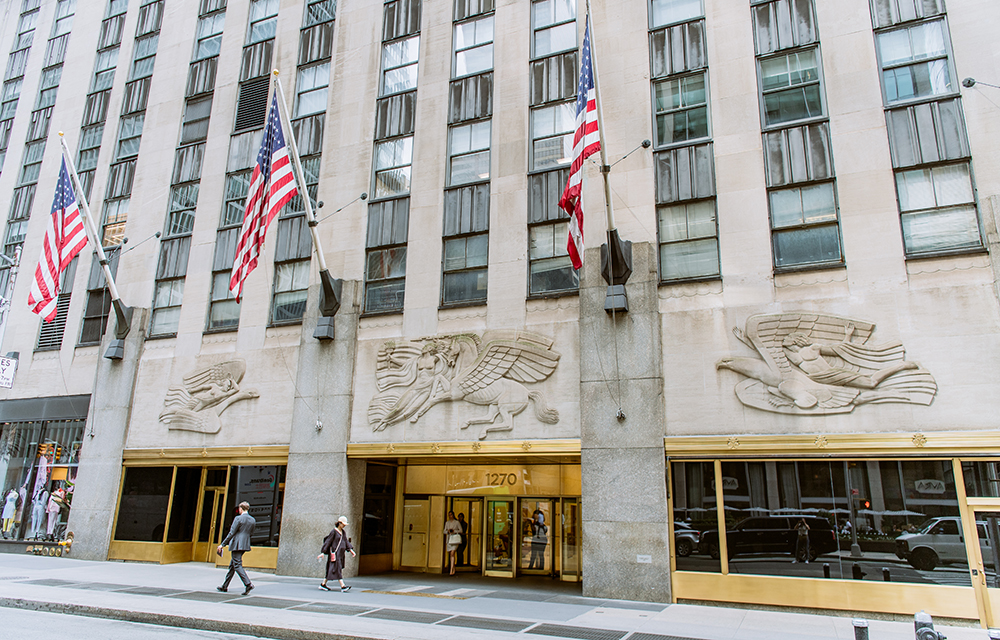
Horizon Kinetics relocates new headquarters to Tishman Speyer’s Rockefeller Center
Manhattan, NY According to Tishman Speyer investment boutique Horizon Kinetics Asset Management LLC will relocate its current New York office to 18,713 s/f on the 27th floor of 1270 Avenue of the Americas at


.jpg)

.gif)
Columns and Thought Leadership

Strategic pause - by Shallini Mehra and Chirag Doshi
Many investors are in a period of strategic pause as New York City’s mayoral race approaches. A major inflection point came with the Democratic primary victory of Zohran Mamdani, a staunch tenant advocate, with a progressive housing platform which supports rent freezes for rent
AI comes to public relations, but be cautious, experts say - by Harry Zlokower
Last month Bisnow scheduled the New York AI & Technology cocktail event on commercial real estate, moderated by Tal Kerret, president, Silverstein Properties, and including tech officers from Rudin Management, Silverstein Properties, structural engineering company Thornton Tomasetti and the founder of Overlay Capital Build,

Behind the post: Why reels, stories, and shorts work for CRE (and how to use them) - by Kimberly Zar Bloorian
Let’s be real: if you’re still only posting photos of properties, you’re missing out. Reels, Stories, and Shorts are where attention lives, and in commercial real estate, attention is currency.

Lasting effects of eminent domain on commercial development - by Sebastian Jablonski
The state has the authority to seize all or part of privately owned commercial real estate for public use by the power of eminent domain. Although the state is constitutionally required to provide just compensation to the property owner, it frequently fails to account
.gif)