



News:
Brokerage
Posted: September 22, 2020
Ground leased hotels - by Thomas Kearns

Because of my firm’s extensive ground lease practice, I have been involved in several default scenarios since the Coronavirus first started to affect New York City hotels. First, it’s important to remember that the city’s hotel market had been hit hard over the last several years by the over-building of hotels, the rise of Airbnb and its competitors, and weak economic growth generally. Hotel room rates have been well below hoped for levels. And then the Coronavirus arrived.
Ground leases are very long term (99 year terms are typical) arrangements under which the fee owner typically gives wide latitude to operate and manage the property to the lessee in exchange for a steady, easy to manage rent stream. Ground leases have become more popular as property values have increased and families and investors want to maintain long term property ownership while shedding management headaches. But management headaches returned with the Coronavirus, particularly where the lessee’s position has been mortgaged.
Hotels have struggled to make debt and lease payments. Defaults abound. Creative ways to forestall lease terminations and the resulting loss of equity have failed so far - we successfully handled a bankruptcy case on behalf of a fee owner where the leasehold mortgagee filed an involuntary bankruptcy against its own borrower rather than protect the collateral by paying the defaulted rent.
But opportunities also exist. In one matter we handled, a lessee invested additional equity by buying out its mortgagee at a discount. To avoid defaults, some fee owners may be willing to grant rent concessions or short- or long-term forbearance in exchange for commitments to upgrade the hotel or to reduce mortgage debt. In negotiating these issues I am often surprised by the non-economic issues at play: Has the lessee or its mortgagee been litigious? Has the lessee or its mortgagee had a history of transparency? Has the hotel been well run? Have investments been made to keep the hotel in top condition? Is the mortgagee prepared to take its share of the pain? (Leasehold mortgages are always subject to the terms of the lease so that as between the fee owner and the leasehold mortgagee, the rent payments must be paid before payments on the mortgage.) Many times these soft issues wind up causing a fee owner to strictly enforce the lease thereby forcing the mortgagee to protect its collateral and, if it doesn’t, to terminate the lease so the fee owner can start fresh with a new operator.
Ground leases may change in the future. Future ground leases may restrict mortgage debt to limit possible economic distress. Perhaps base rents will be lower but the lease will include a percentage of gross revenue over a base so that when times are good the fee owner participates. In the hotel market, some hotels may be converted to other uses. While ground leases will no doubt remain popular, their terms may adjust to changing market conditions.
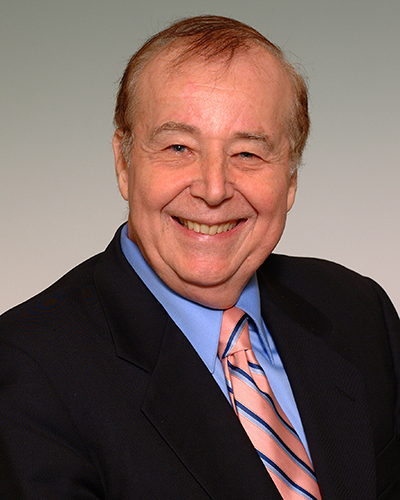
Thomas Kearns is a partner with Olshan Frome Wolosky LLP’s real estate department, New York, N.Y.
Tags:
Brokerage
MORE FROM Brokerage
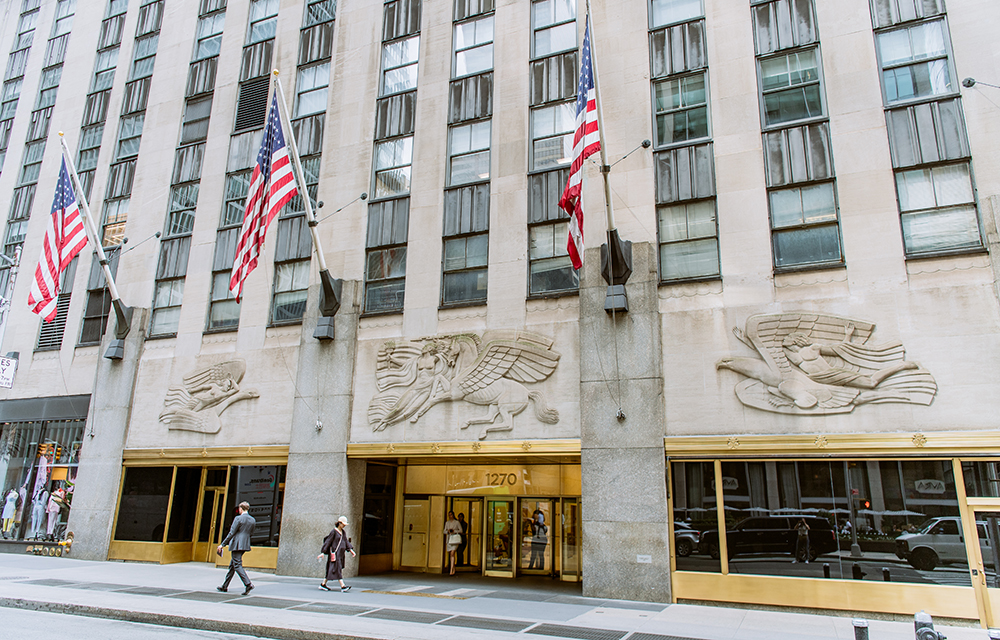
Horizon Kinetics relocates new headquarters to Tishman Speyer’s Rockefeller Center
Manhattan, NY According to Tishman Speyer investment boutique Horizon Kinetics Asset Management LLC will relocate its current New York office to 18,713 s/f on the 27th floor of 1270 Avenue of the Americas at


.jpg)

.gif)
Columns and Thought Leadership

Lasting effects of eminent domain on commercial development - by Sebastian Jablonski
The state has the authority to seize all or part of privately owned commercial real estate for public use by the power of eminent domain. Although the state is constitutionally required to provide just compensation to the property owner, it frequently fails to account

Strategic pause - by Shallini Mehra and Chirag Doshi
Many investors are in a period of strategic pause as New York City’s mayoral race approaches. A major inflection point came with the Democratic primary victory of Zohran Mamdani, a staunch tenant advocate, with a progressive housing platform which supports rent freezes for rent
AI comes to public relations, but be cautious, experts say - by Harry Zlokower
Last month Bisnow scheduled the New York AI & Technology cocktail event on commercial real estate, moderated by Tal Kerret, president, Silverstein Properties, and including tech officers from Rudin Management, Silverstein Properties, structural engineering company Thornton Tomasetti and the founder of Overlay Capital Build,

Behind the post: Why reels, stories, and shorts work for CRE (and how to use them) - by Kimberly Zar Bloorian
Let’s be real: if you’re still only posting photos of properties, you’re missing out. Reels, Stories, and Shorts are where attention lives, and in commercial real estate, attention is currency.
.gif)