
NorthMarq Capital





Mid-year Financing Perspectives
As we move into the second half of the year, let’s examine some commercial real estate trends that we have observed in the first two quarters of 2018.
Money is Plentiful: As treasury rates have ticked up from 2.4% in January to close to 3% in July, lenders are prepared to tighten spreads in order to make themselves competitive and to keep the funds flowing. There is some concern that the lack of loan maturities this year will result in decreased loan demand. This may result in a loosening of underwriting parameters including loan to values.
Long and Short Money: Many life companies have expressed a desire to “go long” and place loans way past ten years on the books to achieve duration. Most seem flexible in prepayment structures to alleviate borrower concerns of being locked in seemingly forever. Conversely, bridge programs (both in debt funds and inside big insurers) are a popular way to try and hit yield targets on the short end, so those programs are available and expanding. Many bridge lenders have reduced their minimum loans to below $3 million in an effort to generate loan demand.
CMBS Market: The Commercial Mortgage Backed Securities market has adapted to risk retention and has quietly found its stride as an industry doing higher leverage loans and deals the life companies pass over. Consolidation has resulted in only 17 shops who contributed over $1 billion to the industry. Last year there were 40 shops doing CMBS. Our preferred lender programs are working as planned, and while every lender desires more business, we have tightened our relationships. Look for many to roll out some on book programs in an attempt to capture transitional assets that can roll into CMBS when lease-up or transitional work is done.
Our team in Rochester continues to watch the market and connect with lenders, as their appetites change throughout the year, based upon their allocations and available space for particular property types. We are noticing some lenders reducing their multifamily allocations. We believe they are doing so in order to properly weight their portfolio allocations.
We offer clients results through honest solutions, ethical evaluation and thorough due diligence, resulting in the integrity that has always been a foundation for our company. For nearly 60 years, NorthMarq has provided debt and equity to commercial real estate owners and investors through its regional offices coast-to-coast. With an annual production volume of $13 billion and a loan servicing portfolio of $52 billion on behalf of more than 50 institutional investors, we are one of the largest CRE mortgage banking firms in the world, and the nation’s largest privately held servicer and provider of commercial real estate debt and equity.
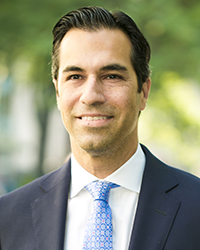
Derek Carroll and Amanda Macikowski are vice presidents at NorthMarq Capital, Upstate New York Office.

.png)



.jpg)



.gif)