



News:
Brokerage
Posted: March 23, 2021
Commercial lease clauses for pandemics - by Thomas Kearns

A year after the COVID-19 pandemic started, court decisions are virtually universally finding for landlords in COVID related rent disputes assuming a typical commercial lease with no unusual provisions. This should not come as much of a surprise since the law of impossibility of performance and frustration of the purpose has been consistent since the common law was developed in England in the 1600’s. The law requires commercial tenants to pay rent unless there was a specific lease provision to the contrary. The past year has also shown that many commercial landlords will work with individual tenants to preserve the tenant’s business, keep space occupied and help tenants who have been reliable and non-litigious over an extended period. The typical relief landlords grant is a forbearance or restructure of rent payments, moving some rent to future years, and in some cases rent forgiveness. Mortgagees have also cooperated to an extent, sometimes based on relationships, sometimes encouraged by government orders and other times after facing market realities. Another reality is the current lack of applicable insurance products that one of the parties could obtain.
But what if a tenant is signing a lease now–what should the lease say? Can we look back on the past years’ worth of workouts and come up with a clause that works for both sides? Landlords will surely say no–they will point to the many concessions given for restaurant tenants as examples of the markets working to preserve tenant relationships. Commercial tenants will no doubt point to cases where landlords enforced the letter of the lease and required tenants to pay all rent or face lease termination and the destruction of the tenant’s business. This column provides some ideas that this author has seen negotiated so that a commercial tenant with negotiating power may ask for lease clauses to prevent future disasters. Some of these ideas are borrowed from existing commercial lease concepts applied to pandemics. These ideas are addressed to emergency laws that expressly prohibit the use of the space for the intended purpose. By restricting the clause to full closures the ideas give landlords a definitive standard to measure before giving relief to a tenant while at the same time protecting the tenant from a full disaster.
Share the pain: first, a commercial tenant should consider asking for a clause that reduces or delays the rent by some percentage if a space is wholly unusable by law. Whether that reduction is 25%, 50% or 100% is subject to negotiations among the tenant, the landlord and its mortgagee.
Second, have a waiting period before the rent reduction would apply. 5-, 15- or 30-day waiting periods are common in other types of lease clauses. The clause should require that the tenant does not in fact use the space for any purpose during the period of any forbearance or forgiveness. Again, a bright line here helps the landlord feel that the clause won’t be invoked unfairly while giving the tenant real protection.
Next, consider a landlord’s right to terminate the lease following a period of time after the forbearance/forgiveness period starts–perhaps 90 or 120 days. This right will require that the tenant decide within the time period whether or not to pay up in full. This protects the landlord from the loss of revenue that another tenant for a then lawful use would pay, and from a tenant under a below market lease dragging well into the lease term holding up the landlord from starting the process to find a new tenant.
While the market and good business practices have helped resolve many COVID-19 related lease disputes, a well-crafted clause in new leases can help tenants weather the next health emergency and assist landlords in attracting top quality tenants willing to invest in their businesses.
Thomas Kearns is a partner with Olshan Frome Wolosky LLP’s real estate department, New York, N.Y.
Tags:
Brokerage
MORE FROM Brokerage
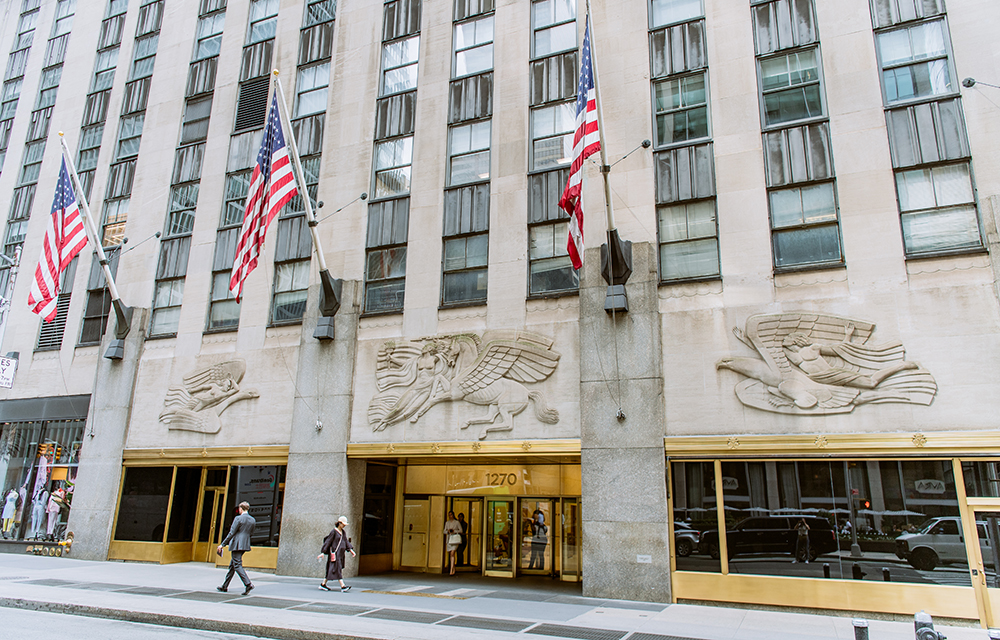
Horizon Kinetics relocates new headquarters to Tishman Speyer’s Rockefeller Center
Manhattan, NY According to Tishman Speyer investment boutique Horizon Kinetics Asset Management LLC will relocate its current New York office to 18,713 s/f on the 27th floor of 1270 Avenue of the Americas at

.jpg)

Quick Hits

Columns and Thought Leadership

Strategic pause - by Shallini Mehra and Chirag Doshi
Many investors are in a period of strategic pause as New York City’s mayoral race approaches. A major inflection point came with the Democratic primary victory of Zohran Mamdani, a staunch tenant advocate, with a progressive housing platform which supports rent freezes for rent

Behind the post: Why reels, stories, and shorts work for CRE (and how to use them) - by Kimberly Zar Bloorian
Let’s be real: if you’re still only posting photos of properties, you’re missing out. Reels, Stories, and Shorts are where attention lives, and in commercial real estate, attention is currency.
AI comes to public relations, but be cautious, experts say - by Harry Zlokower
Last month Bisnow scheduled the New York AI & Technology cocktail event on commercial real estate, moderated by Tal Kerret, president, Silverstein Properties, and including tech officers from Rudin Management, Silverstein Properties, structural engineering company Thornton Tomasetti and the founder of Overlay Capital Build,

Lasting effects of eminent domain on commercial development - by Sebastian Jablonski
The state has the authority to seize all or part of privately owned commercial real estate for public use by the power of eminent domain. Although the state is constitutionally required to provide just compensation to the property owner, it frequently fails to account
.gif)