



News:
Brokerage
Posted: September 9, 2025
Amazon, Uber Eats & Whole Foods Walk Into a Lobby - by Tammy Craig-Smith

In the 1990s and early 2000s, apartment and condo lobbies were designed to impress. Rich woods, leather seating, and oversized décor conveyed a sense of formality and permanence. At the time, these choices made perfect sense—they reflected the era’s appetite for grandeur. But as lifestyles have changed, so too has the lobby’s role, shifting from a statement space into a service-driven one.
From Gathering Halls to Everyday Stops
The shift hasn’t meant abandoning seating altogether. People still need a comfortable spot to wait for their Uber or lyft or greet a guest. But today’s lobbies are less about creating grand gathering spaces and more about providing practical, thoughtfully scaled areas. Where once the goal was vastness and formality, now the emphasis is on light, flow, and amenities that match daily routines. The furniture that remains is purposeful—sleek, durable, and designed for short, functional use rather than hours of lingering.
The Age of the Amenity Lobby
In 2025, no lobby redo is complete without addressing delivery. Amazon, Whole Foods, and meal apps like Grubhub have changed the calculus. Walk-in refrigerators in larger lobbies are now as essential as a front desk. Smaller buildings are installing stylish refrigerated lockers—because no one wants their oat milk warming in a cardboard box for three hours. Some properties are even carving out dedicated hot-food shelving areas, making space for the nightly parade of takeout bags.
What was once an afterthought—“Where do the packages go?”—is now a core design driver. Residents want seamless delivery, not a game of hide-and-seek with their groceries.
Goodbye Gushy, Hello Glossy
Finishes have also caught up with modern tastes. Heavy, dark interiors have given way to lighter palettes, reflective metals, and sustainable surfaces that can take a beating but still look sharp. Glass, steel, and engineered stone are winning out over mahogany panels and oil paintings. The vibe is less “formal waiting room” and more “google-esq.”
The Lobby as First Impression
Of course, some things haven’t changed. The lobby is still the building’s handshake—the first impression for a potential buyer, renter, or guest. But instead of wowing with sheer size or plushness, the modern lobby wins points for thoughtfulness. It says: this building understands how you live. It anticipates your needs, even the ones you didn’t know you had (like that locker that keeps your sushi cool until you get home).
New Ideas
Convenience is the name of the game when it comes to today’s lobby experience. But achieving that convenience in a way that is both creative and functional falls squarely on the shoulders of the designers. Karen Jack, Principal of Forbes-Ergas Design, knows all too well the complexities of reimagining the modern lobby — balancing aesthetics, flow, and function to create spaces that both impress and serve. "The function and flow of a lobby must adapt to the changing needs of a building. It’s no longer just about a doorman desk with a monitor and an intercom. Today, we’re integrating solutions like BuildingLink’s KeyLink, custom desks, and façade design that matches the building’s character. Aesthetics are increasingly important—storage areas should be concealed and security features seamlessly integrated so they don’t feel like lockers. The biggest challenge is getting buildings to move beyond the ‘standard’ way of doing things. Designers need to balance old and new, creating a lobby that delivers both flow and function. With evolving management styles, hidden monitor wells and sleek, functional environments are essential to protecting a building’s assets."
Looking Ahead
As multi-unit construction continues to evolve, the lobby may remain the most telling symbol of changing lifestyles. In the 90s, it was about prestige. In the 2000s, it was about space. During the pandemic, it was about avoidance. Now, it’s about convenience.
At The Alban Group, we like to think of lobbies as the building’s living room—only smarter, sleeker, and stocked with a mini-fridge for your kombucha. Because in 2025, that’s what luxury really looks like.
Tammy Craig-Smith, president of The Alban Group, Newark, NJ.
Tags:
Brokerage
MORE FROM Brokerage
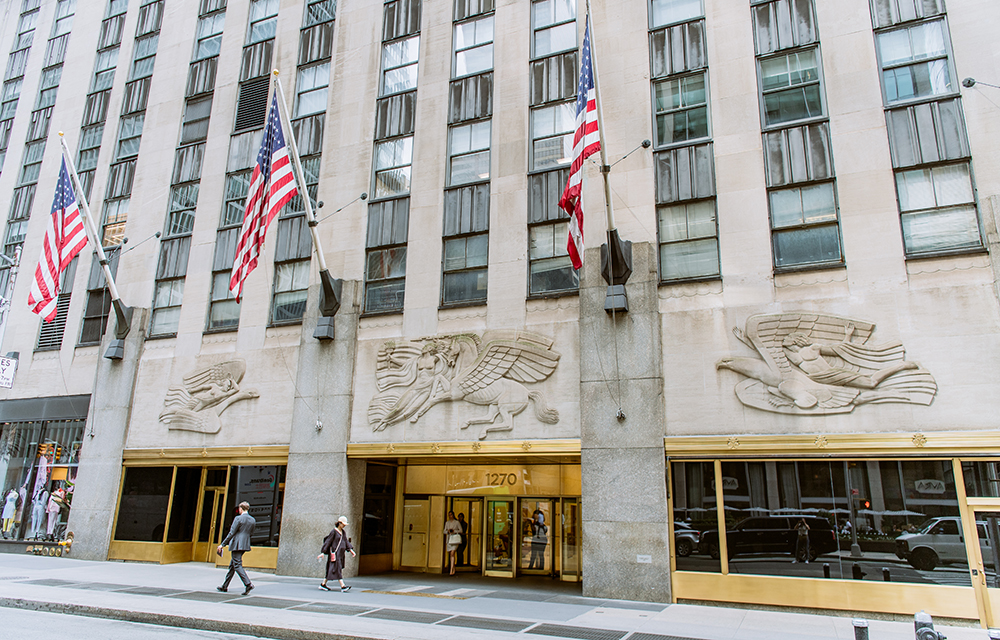
Horizon Kinetics relocates new headquarters to Tishman Speyer’s Rockefeller Center
Manhattan, NY According to Tishman Speyer investment boutique Horizon Kinetics Asset Management LLC will relocate its current New York office to 18,713 s/f on the 27th floor of 1270 Avenue of the Americas at

.jpg)

Quick Hits

Columns and Thought Leadership

Behind the post: Why reels, stories, and shorts work for CRE (and how to use them) - by Kimberly Zar Bloorian
Let’s be real: if you’re still only posting photos of properties, you’re missing out. Reels, Stories, and Shorts are where attention lives, and in commercial real estate, attention is currency.

Lasting effects of eminent domain on commercial development - by Sebastian Jablonski
The state has the authority to seize all or part of privately owned commercial real estate for public use by the power of eminent domain. Although the state is constitutionally required to provide just compensation to the property owner, it frequently fails to account

Strategic pause - by Shallini Mehra and Chirag Doshi
Many investors are in a period of strategic pause as New York City’s mayoral race approaches. A major inflection point came with the Democratic primary victory of Zohran Mamdani, a staunch tenant advocate, with a progressive housing platform which supports rent freezes for rent

AI comes to public relations, but be cautious, experts say - by Harry Zlokower
Last month Bisnow scheduled the New York AI & Technology cocktail event on commercial real estate, moderated by Tal Kerret, president, Silverstein Properties, and including tech officers from Rudin Management, Silverstein Properties, structural engineering company Thornton Tomasetti and the founder of Overlay Capital Build,
.gif)