



News:
Spotlight Content
Posted: December 31, 2024
2024 Year in Review: Shimon Shkury, Ariel Property Advisors
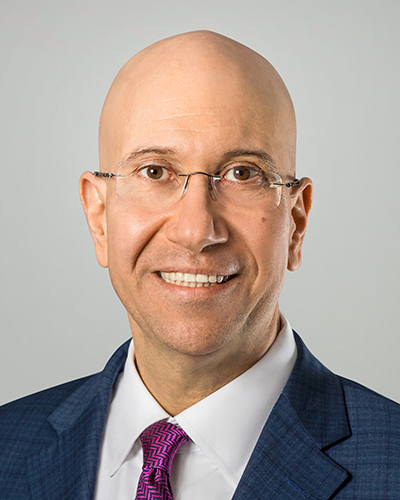
President and Founder
Ariel Property Advisors
What noteworthy transactions or deals from this year best exemplified key market trends or shifts?
Ariel’s Capital Services Group arranged a $33.75 million acquisition loan for a 105,282 s/f, 151-unit, predominantly free-market luxury multifamily property on Manhattan’s UES, exemplifying continued investor appetite for these assets. Also, our Investment Sales Group arranged the $31.5 million sale of 34 West 139th St., a 172,920 s/f, 127-unit affordable multifamily, which illustrates how mission-driven capital is still seeking these properties. Finally, for an institutional client bidding on notes from a financial institution, our research analysts evaluated in one week 41 NYC properties valued at $215 million, reflecting how lenders are shedding CRE loans.
What was your greatest professional accomplishment or most notable project, deal, or transaction in 2024?
This year, Ariel announced a strategic partnership with GREA (Global Real Estate Advisors), a nationwide network of independent real estate investment services companies. Through this relationship, Ariel’s Capital Services Group is expanding and offering GREA’s clients financing options through our national network of lending sources including banks, credit unions, CMBS and agency lenders, debt funds, life insurance companies and equity capital. Additionally, we’re leveraging our decades of experience selling Affordable Housing assets throughout NYC and sharing this expertise with GREA’s clients and relationships around the country.
What emerging trends will drive investment and development in 2025?
The increase in mortgage maturities throughout 2024 has been a critical driver for multifamily and office sales and we expect this trend to continue next year as additional mortgages mature. We also expect to see additional housing development because of New York State’s new housing policy, which included an extension of the 421a tax abatement and introduced 485x for new development and 467-m for office conversions, combined with local initiatives such as the City of Yes and zoning changes approved in the Bronx and proposed in Midtown South and Brooklyn.
Tags:
Spotlight Content
MORE FROM Spotlight Content

Over half of Long Island towns vote to exceed the tax cap - Here’s how owners can respond - by Brad and Sean Cronin
When New York permanently adopted the 2% property tax cap more than a decade ago, many owners hoped it would finally end the relentless climb in tax bills. But in the last couple of years, that “cap” has started to look more like a speed bump. Property owners are seeing taxes increase even when an


.png)



.jpg)
Columns and Thought Leadership

Oldies but goodies: The value of long-term ownership in rent-stabilized assets - by Shallini Mehra
Active investors seeking rent-stabilized properties often gravitate toward buildings that have been held under long-term ownership — and for good reasons. These properties tend to be well-maintained, both physically and operationally, offering a level of stability

Properly serving a lien law Section 59 Demand - by Bret McCabe
Many attorneys operating within the construction space are familiar with the provisions of New York Lien Law, which allow for the discharge of a Mechanic’s Lien in the event the lienor does not commence an action to enforce following the service of a “Section 59 Demand”.

The strategy of co-op busting in commercial real estate - by Robert Khodadadian
In New York City’s competitive real estate market, particularly in prime neighborhoods like Midtown Manhattan, investors are constantly seeking new ways to unlock property value. One such strategy — often overlooked but
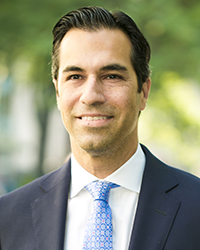
How much power does the NYC mayor really have over real estate policy? - by Ron Cohen
The mayor of New York City holds significant influence over real estate policy — but not absolute legislative power. Here’s how it breaks down:
Formal Legislative Role
• Limited direct lawmaking power: The NYC Council is the primary
.gif)