



News:
Spotlight Content
Posted: December 31, 2024
2024 Year in Review: Phillip Ross, CPA, CGMA, Anchin
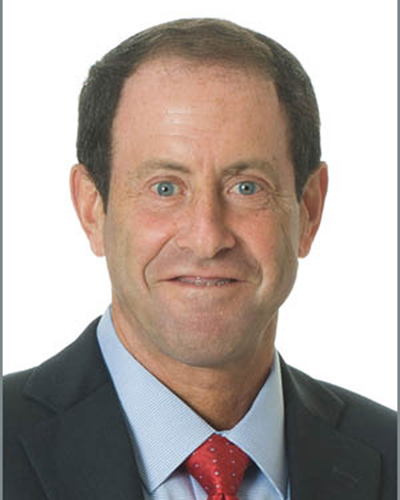
Co-Practice Leader, AEC Industry Groups
Anchin
What was your greatest professional accomplishment or most notable project, deal, or transaction in 2024?
My greatest professional accomplishment was guiding my clients through complex challenges — such as pursuing growth through mergers and acquisitions, developing successful succession plans, and capitalizing on tax-saving opportunities — which led to Anchin achieving recognition as a 2024 Top 50 Accounting Firm by Construction Executive. I’ve also helped companies evaluate market trends to align transaction structures with their business objectives, implemented advanced tax strategies to minimize their liabilities and maximize their savings, and provided operational consulting to enhance their efficiency and profitability. Offering a comprehensive service approach helps ensure clients are better positioned for sustainable growth.
What emerging trends will drive investment and development in 2025?
In 2025, key tax and financial trends driving investment and development could include adjustments to capital gains and income rates, and of course potential interest rate reductions. Should the Federal Reserve reduce interest rates, this has a likelihood to spur construction and development. Access to less expensive capital and lower financing costs would be welcomed by the real estate industry. Increased scrutiny on real estate valuations may impact financing strategies, while incentives for adaptive reuse projects can encourage urban redevelopment. Additionally, expanded opportunities in opportunity zones and evolving global tax policies may also shape the nature of cross-border investments.
Tags:
Spotlight Content
MORE FROM Spotlight Content

Over half of Long Island towns vote to exceed the tax cap - Here’s how owners can respond - by Brad and Sean Cronin
When New York permanently adopted the 2% property tax cap more than a decade ago, many owners hoped it would finally end the relentless climb in tax bills. But in the last couple of years, that “cap” has started to look more like a speed bump. Property owners are seeing taxes increase even when an



.png)

Quick Hits

.jpg)
Columns and Thought Leadership

Properly serving a lien law Section 59 Demand - by Bret McCabe
Many attorneys operating within the construction space are familiar with the provisions of New York Lien Law, which allow for the discharge of a Mechanic’s Lien in the event the lienor does not commence an action to enforce following the service of a “Section 59 Demand”.

The strategy of co-op busting in commercial real estate - by Robert Khodadadian
In New York City’s competitive real estate market, particularly in prime neighborhoods like Midtown Manhattan, investors are constantly seeking new ways to unlock property value. One such strategy — often overlooked but

Oldies but goodies: The value of long-term ownership in rent-stabilized assets - by Shallini Mehra
Active investors seeking rent-stabilized properties often gravitate toward buildings that have been held under long-term ownership — and for good reasons. These properties tend to be well-maintained, both physically and operationally, offering a level of stability

How much power does the NYC mayor really have over real estate policy? - by Ron Cohen
The mayor of New York City holds significant influence over real estate policy — but not absolute legislative power. Here’s how it breaks down:
Formal Legislative Role
• Limited direct lawmaking power: The NYC Council is the primary
.gif)