



News:
Brokerage
Posted: November 3, 2020
2020 Hudson Valley apartment market - by Brian Heine

Licensed Real Estate Broker
As of July, all of New York State has qualified for Phase IV reopening, and as we come out of the pandemic the major concern in the multifamily industry is the effect on rents and occupancy, unemployment is always the biggest threat. Temporary job layoffs and permanent losses among the industries that are large tenant employers, particularly retail and hospitality, have reduced collections mid-year in those cases where stimulus funds are insufficient to cover both rent and tenant living expenses. Evidence so far is that the overwhelming majority of tenants are paying their rent and that missed rents are being absorbed in the vacancy and credit loss reserves built into the operating budget of every multifamily property. The National Multifamily Housing Council’s Rent Payment Tracker found 86.9% of apartment households nationally made a rent payment in August. Additionally, tenants may stay longer and move less due to hassles of moving in today’s environment. Apartment construction will slow; demand was such that thousands of apartments were planned before the pandemic in cities and locations within commuting distance to Manhattan, mostly in Westchester county, that may not be needed for years. Transplants from New York City, transitioning to work from home employment, are buying single-family homes in Ulster and Dutchess counties and finding rising prices from the few available listings and mortgage interest rates that fell again to 50-year lows. The damage to the Hudson Valley apartment market is far less than many predicted at the beginning of the pandemic.
A strong recovery is possible and how fast the economy returns to previous levels versus the amount of any future stimulus payments will influence the near-term rent collection experience. The multifamily industry should be one of the first to return to pre-pandemic strength and buyers waiting for distressed deals are likely to be disappointed. Mortgage financing remains readily available as compared to the complete shutdown of the 2009 financial crisis, and although rates remain at all-time lows there has been some tightening in the underwriting standards, specifically lower loan to value numbers resulting in higher equity requirements. Owning and renting apartments is an essential business serving a tenant population without many housing choices. Class B and C suburban garden apartments that cater to workforce housing will attract the most buyer interest in the Hudson Valley especially those catering to nurses and other health workers and public sector employees who will be paid no matter what happens with the pandemic. Garden apartment complex design with multiple buildings spread out on the landscape with a separate entrance for each building lends itself to minimizing social contact among the residents as opposed to single entrance mid- or high-rise buildings.
Values will adjust as the market accommodates these new realities. Expenses will increase; common areas require a much higher standard and frequency of cleaning, and legal costs and collection losses will rise due to the new eviction procedures in effect in New York State this year. Important as they are, these are minor and manageable with proper procedures and easily recoverable long term as compared to the changes impacting other categories of commercial investment real estate where values and lending will collapse near term. Appraisers will be the first to take note; assessing these changes and their impact on net operating income and additionally taking account of uncertain market conditions due to large volatility in the financial markets and the drop again in mortgage interest rate markets in their new estimates of value. Sale points from before the pandemic are of less use making a whole history of data obsolete. The sale market is active post reopening and new data points will be developed as sales close the remainder of the year.
Brian Heine is a licensed real estate broker in New York State
Tags:
Brokerage
MORE FROM Brokerage
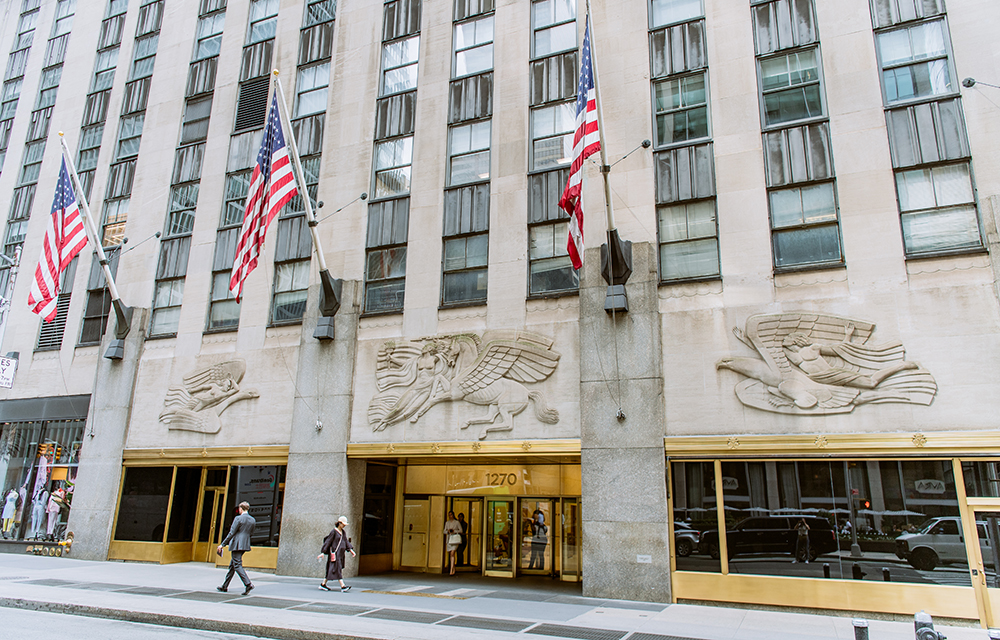
Horizon Kinetics relocates new headquarters to Tishman Speyer’s Rockefeller Center
Manhattan, NY According to Tishman Speyer investment boutique Horizon Kinetics Asset Management LLC will relocate its current New York office to 18,713 s/f on the 27th floor of 1270 Avenue of the Americas at


.jpg)

Quick Hits
.gif)
Columns and Thought Leadership

Behind the post: Why reels, stories, and shorts work for CRE (and how to use them) - by Kimberly Zar Bloorian
Let’s be real: if you’re still only posting photos of properties, you’re missing out. Reels, Stories, and Shorts are where attention lives, and in commercial real estate, attention is currency.

Strategic pause - by Shallini Mehra and Chirag Doshi
Many investors are in a period of strategic pause as New York City’s mayoral race approaches. A major inflection point came with the Democratic primary victory of Zohran Mamdani, a staunch tenant advocate, with a progressive housing platform which supports rent freezes for rent

AI comes to public relations, but be cautious, experts say - by Harry Zlokower
Last month Bisnow scheduled the New York AI & Technology cocktail event on commercial real estate, moderated by Tal Kerret, president, Silverstein Properties, and including tech officers from Rudin Management, Silverstein Properties, structural engineering company Thornton Tomasetti and the founder of Overlay Capital Build,

Lasting effects of eminent domain on commercial development - by Sebastian Jablonski
The state has the authority to seize all or part of privately owned commercial real estate for public use by the power of eminent domain. Although the state is constitutionally required to provide just compensation to the property owner, it frequently fails to account
.gif)